|

 |
JOE POSITION
Date of Birth : Height : Weight : Previous Club : International : |
JONES TIGHTHEAD
24 July 1995 1.83m, 6ft 0ins 125kgs, 19st 10lbs Harlequins Wales U20 |
He also spent loan spells with the feeder side, Cardiff RFC, and fellow South Wales club, Pontypridd, while also earning international caps with Wales U18s and U20s squads. In 2016, aged 21, Joe waved goodbye to Wales, and travelled abroad to Pro D2 side, USA Perpignan, having 2 successful seasons with the South France side, and helped in the teams league-winning season in 2018 for their promotion to the Top14 league. Following that successful campaign, Jones rejoined his academy team, Sale Sharks, and had a successful two years with the Greater Manchester team, winning the Premiership Cup in his second season, their first trophy in 14 years. With the COVID-19 pandemic occurring at the start of 2020, the season was obviously cut short, and in the June, he made a move to Doncaster Knights for a season to keep his competitive edge. After a short stint at Castle Park, Jones had an even shorter stint at Coventry at the start of the 2021/22 season only staying for 5 months, before heading back to the north-west and rejoining Sale for another two-year stint. All the while, working towards his Level 2 coaching badge, coaching at his boyhood club, Mold RFC. In 2023, Joe said a permanent farewell to the Sharks and wracked up over 50 caps for them. Carrying on his coaching, Joe played 4 times for Championship side, Caldy, before heading back to South Wales, pausing his coaching career, and joining URC club, Scarlets. Having the one season with the Llanelli club, he came back up north to Doncaster for the 2024/25 season. |
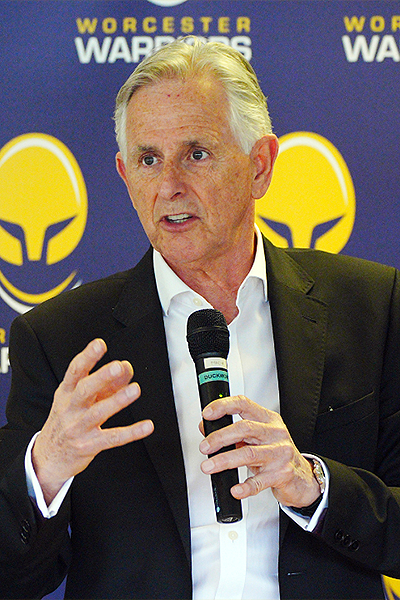
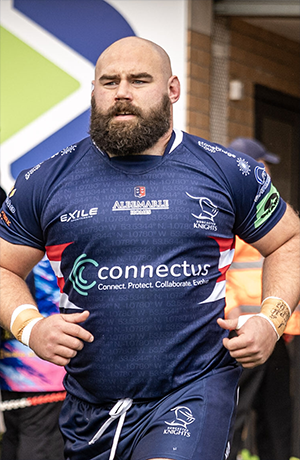
Born in North Wales, Joe Jones has been around the block in terms of his time at different rugby clubs. As a true welshman, he started his rugby from a young age for home side Mold RFC, until the age of 16. He then had an exciting year, moving school to Myerscough College, changing club to RGC 1404, and breaking into the Sale Sharks academy. In June 2013, after his education came to an end, Jones signed his first professional rugby contract with Cardiff Blues, going back on loan with, then, Welsh Championship team, RGC 1404. |
|||
 |
|||
|
JACK POSITION
Date of Birth : Height : Weight : Previous Club : International : |
DICKINSON HOOKER
02 December 1998 1.80, 5ft 10ins 105kgs, 16st 8lbs Nottingham . |
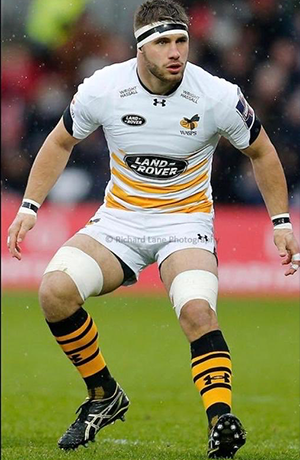
“He also gained early senior experience with Wasps, featuring in the Premiership Rugby Cup, before establishing himself with Nottingham Rugby.” He made his Nottingham Rugby debut in September 2022 and quickly developed into a dependable presence in the front row. Operating at hooker, Dickinson combined set-piece reliability with an eye for the try line, becoming a regular contributor in open play as well as from close-range drives. Over four seasons with the Archers, he grew into a core squad member, earning recognition for his work rate and consistency. During the 2025/26 Championship campaign, Dickinson enjoyed one of his most productive seasons, scoring 10 tries in 23 appearances and further underlining his impact around the field. His performances did not go unnoticed. In April 2026, it was confirmed that Dickinson would join Worcester Warriors ahead of the 2026/27 season, as part of the club’s continued rebuild following their return to professional rugby. Speaking on the move, Dickinson highlighted the club’s ambition and heritage, describing Worcester as “a club with a lot of history and an exciting future.” The switch marks a significant step in his career — moving from boyhood club to a side with Premiership pedigree and growing momentum in the Championship. For Worcester, it represents the signing of a proven, hard-working hooker entering his prime years. Still only in his late twenties, Dickinson’s story is one of steady progression — from local rugby to university development, to becoming a Championship regular, and now earning a move to one of England’s most recognisable clubs as they push forward into a new era. |
A product of Nottingham through and through, Jack Dickinson has built his career on consistency, resilience, and a deep connection to the club he grew up supporting. Now, after establishing himself as a key figure in the Championship, he takes the next step in his journey with a move to Worcester Warriors. Born on 2 December 1998, Dickinson’s route into the professional game was anything but conventional. Coming through Nottingham Corsairs and developing his game alongside his studies at the University of Leicester and Loughborough University, he earned his opportunity through the university and grassroots system rather than a traditional Premiership academy pathway. |
|||
|
|||
|
CAM POSITION
Date of Birth : Height : Weight : Previous Club : International : |
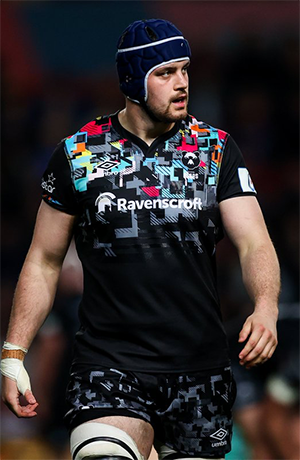
MIELL LOOSEHEAD
09 May 2004 1.88m, 6ft 2ins 118kgs, 18st 9lbs Leicester Tigers . |
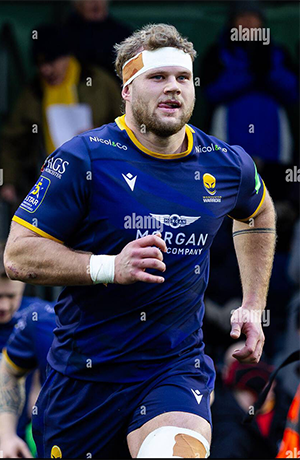
South African born and bred, Cam Miell might still be only 22, but everything about his trajectory suggests a player well ahead of his years—and exactly the kind of front-row talent that can reshape a pack. Having come through the system at Leicester Tigers and gained valuable experience on loan with Worcester Warriors, Miell’s decision to make the move permanent looks like a smart piece of business for Worcester. He already knows the environment, the players, and the demands—and that familiarity should allow him to hit the ground running. As a loosehead prop, Miell brings a strong platform in the scrum, something every side builds from. But what makes him particularly exciting is that he’s not just a set-piece specialist. Like many modern front-rowers, he’s mobile, works hard around the park, and contributes in open play—qualities that are becoming non-negotiable at the top level. His time with England U20 also speaks volumes. That pathway has produced a long line of top internationals, and being part of that setup suggests he has both the technical grounding and the mentality to keep progressing. For Worcester, this signing isn’t just about the present—it’s about building a front row that can grow together. Props often peak later than players in other positions, and at 22, Miell is still developing physically and technically. That’s what makes his ceiling so intriguing. If he continues on his current path, Worcester could be looking at a cornerstone player for years to come. The kind who anchors the scrum, sets the tone up front, and improves season after season—very much like a fine red wine that only gets better with age. Played 11, Won 7, Tries 0, Points 0. |
On signing for the club, Miell said: "I'm incredibly grateful for the opportunity to have signed for Worcester. "It's a club with so much to offer, a culture that inspires and a community feel I feel privileged to be a part of. "I'm excited to continue growing both as a player and as a person amongst such a great group of boys. |
|||
|
|||
|
JOHN POSITION
Date of Birth : Height : Weight : Previous Club : International : |
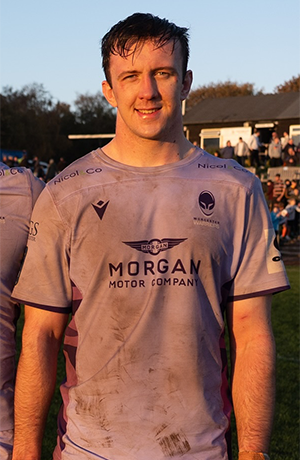
HAWKINS LOCK
11 November 1996 1.96m, 6ft 5ins 117kgs, 18st 7lbs Newcastle Red Bulls . |
That grounding paved the way for his first taste of Premiership rugby with Bristol Bears, where Hawkins made his senior debut in 2019. Over several seasons at Ashton Gate, he became a dependable squad member, gaining valuable experience against some of the most physical packs in Europe’s top flight. A move to the Jersey Reds in 2023 offered Hawkins the chance for consistent starting rugby and a new challenge in the Championship. However, his time on the island was cut short when the club entered administration and was ultimately dissolved — a harsh reminder of rugby’s financial volatility outside the Premiership. For many players, such disruption can stall momentum. For Hawkins, it became a turning point. Rebuilding at Newcastle Hawkins returned to Premiership rugby with Newcastle Red Bulls, where he re-established himself as a valuable squad forward. Used primarily as a rotation lock, he brought structure and stability to the set-piece and provided crucial depth in a physically demanding campaign. Across his time in the North East, he passed 30 senior appearances, earning a reputation as a no-nonsense operator: dependable in the lineout, committed in defence, and consistent in his work rate. He may not have been the most high-profile name in the squad, but within the group, his value was clear. A new chapter at Worcester Warriors Now, Hawkins begins a fresh challenge with Worcester Warriors, a club rebuilding with ambition and intent. His arrival brings experience, physical presence, and a steadying influence to the engine room. At 28, he enters what many consider the prime years for a second-row forward — a stage where physical maturity and tactical understanding align. For Worcester, his signing represents more than depth; it is about bringing proven Premiership reliability into a developing pack. Player profile Hawkins is not defined by highlight reels, but by consistency: Strong set-piece technician Reliable lineout presence Physical, disciplined defender High work-rate forward Team-first mentality He is the type of player coaches trust in the tight margins of Premiership rugby — where scrums, mauls, and unseen metres often decide outcomes. The next step As he joins Worcester Warriors, Hawkins brings with him a career defined by persistence through change and adversity. From academy prospect to Premiership regular, via Championship disruption and top-flight rebuilding, his path reflects the reality of modern professional rugby. Now, with experience behind him and a new project ahead, he arrives not as a headline signing — but as something arguably more valuable: A proven professional ready to anchor a pack and quietly shape games where it matters most. |
In a sport often defined by flash, flair, and headline-makers, John Hawkins has carved out a reputation built on something far more enduring: reliability, resilience, and relentless graft. Now a key signing for the Worcester Warriors, Hawkins arrives with a career shaped by persistence through English rugby’s demanding professional ladder and a growing reputation as a dependable Premiership-standard lock. Standing at 1.96m and 117kg, he fits the modern mould of the second row — powerful in contact, technically sound in the set-piece, and unafraid of the unseen work that wins forward battles. But his journey to this point has been anything but straightforward. From Northampton roots to Premiership exposure Hawkins first emerged through the Northampton Saints academy system, where he quickly developed a reputation as a disciplined and hard-working forward. Coaches valued his attitude as much as his physical attributes, with leadership qualities evident from an early stage. His performances at age-grade level earned him representative honours with England age-group squads, where he continued to refine his core strengths in the lineout and tight exchanges. |
|||
|
|||
|
OWAIN POSITION
Date of Birth : Height : Weight : Previous Club : International : |
EVANS LOCK
25 October 03 1.93m, 6ft 4ins 110kgs, 17st 5lbs Newport . |
Evans didn’t just wear the armband. He embodied it. Training standards, match intensity, the small details that often go unnoticed — he drove them all. And in doing so, he became the kind of player coaches trust implicitly and teammates naturally follow. That leadership didn’t go unnoticed beyond university rugby. Recognition on the international stage His development was further recognised with selection for Wales U20, a significant milestone in any young player’s career. Pulling on the Welsh jersey at age-grade level is both an honour and a test. It places players in an environment where the physicality rises, the pace quickens, and the expectations sharpen. For Evans, it was another step forward — a chance to measure himself against some of the best young talent in the game, and another layer in his growing rugby education. His transition into senior rugby has already begun, with a handful of appearances for Worcester offering a glimpse of what he can bring at the next level. Those early outings are rarely about domination. They’re about adaptation — adjusting to the speed, the physical collisions, the unforgiving nature of professional rugby. Evans has approached that step in the same way he has approached everything else: with composure and intent. Now, with his recent signing, the next chapter begins in earnest. A club and a player on the rise For Worcester Warriors, Evans represents more than just another addition to the squad. He is part of a new generation — players who bring not only athletic potential, but a mindset geared towards growth and responsibility. At just the beginning of his professional journey, Evans still has much to develop. But the building blocks are already firmly in place: Every squad needs its stars. But just as important are the players who shape the environment — who raise standards, connect groups, and bring consistency day after day. Owain Evans has shown, even at this early stage, that he can be one of those players. And as he settles into life at Worcester Warriors, one thing feels certain: this is not the end of his story — it’s only just beginning. Played 2, Won 2, Tries 0, Points 0. |
On a cold BUCS Wednesday afternoon in Loughborough, with the game hanging in the balance and momentum shifting by the minute, it was Owain Evans who brought calm to chaos. As captain of Loughborough University Rugby Union Football Club, Evans had grown used to these moments. A word here, a gesture there — nothing dramatic, just control. The kind of quiet authority that doesn’t shout for attention but demands it anyway. It’s that presence, as much as his rugby ability, that has earned him a step into the professional game with Worcester Warriors. A pathway shaped by leadership Loughborough has long been a proving ground for elite talent, but captaining the side is a different challenge altogether. It requires more than performance — it demands consistency, accountability, and the respect of a dressing room full of ambitious players. |
|||
|
|||
|
JAMES POSITION
Date of Birth : Height : Weight : Previous Club : International : |
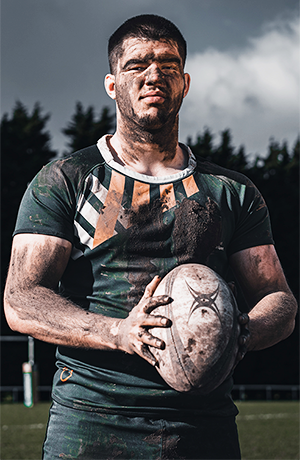
CHERRY BACKROW
18 December 2000 1.86, 6ft 1ins 108kgs, 17st 0lbs NOTTINGHAM . |
2. The derby mentality, physical edge and expectation of uncompromising forward play all became part of Cherry’s rugby DNA. During Nottingham’s fixtures against Leicester, Cherry showed flashes of the aggressive carrying game that has now become his trademark. In a pre-season clash at Welford Road, he was heavily involved in Nottingham’s most dangerous attacking passages against the Premiership giants. Equally, the historic rivalry between Leicester and Northampton formed the backdrop to the rugby landscape Cherry emerged from — one built on intensity, confrontation and uncompromising forward battles. But it was at Nottingham where Cherry truly became a leader. Since making his senior debut in 2022, he has evolved from university captain into one of the Championship’s standout back-row forwards. Nottingham supporters embraced him not only for his performances but for his personality — hard-working, uncompromising and fiercely loyal to the club. The 2024–25 season was the breakthrough campaign that elevated his profile nationally. Cherry collected multiple end-of-season awards at Nottingham, including Players’ Player of the Season and Supporters’ Player of the Season, after a campaign packed with bruising carries and crucial tries. His form has only accelerated since. In 2026, he produced match-winning displays including a decisive double away at Bedford Blues — one of the toughest fixtures in Championship rugby. What makes Cherry’s journey compelling is that it reflects a changing pathway in English rugby. He was not the teenage superstar hyped from schoolboy level. He developed later. He earned opportunities through consistency, education and resilience. University rugby gave him a second chance. Nottingham gave him a platform, and now Worcester Warriors appear ready to give him the biggest stage of all. For Worcester, the signing represents more than simple squad depth. Cherry arrives with Championship pedigree, leadership qualities and a reputation as one of the hardest-working forwards in the league. At 25, he is entering the prime years for a modern back-row forward. And perhaps most importantly, he still plays with the hunger of someone who had to fight for every opportunity. In many ways, that makes him a perfect fit for Worcester Warriors themselves — a club rebuilding its own identity, fuelled by ambition, resilience and unfinished business. James Cherry’s career has never followed the conventional route. That may yet prove to be his greatest strength. |
1. From university rugby cult hero to one of the most talked-about back-row prospects outside the Premiership, James Cherry has taken the long road through English rugby — and that is exactly why his story resonates. Now, after spells linked with the systems and rivalries surrounding Leicester Tigers, Northampton Saints and a breakout rise at Nottingham Rugby, Cherry’s newly announced move to Worcester Warriors feels less like a gamble and more like the natural next chapter in a career built on persistence. For supporters who have followed Championship rugby closely, Cherry’s rise has been impossible to ignore. Born in Norwich in 2000, the powerful number eight did not emerge through the traditional conveyor belt of elite academies. Instead, he carved out his reputation through university rugby at the University of Nottingham, where he captained the first XV and made more than 50 appearances during his student years. Those years proved transformative. While many talented university players fade after graduation, Cherry used Nottingham as a launchpad. He developed into a relentless carrier, an abrasive defender and a player whose engine quickly caught the attention of clubs higher up the pyramid. His rugby education was shaped by the fierce East Midlands rugby culture — the same environment dominated for generations by Leicester and Northampton. |
|||
|
|||
|
FINN POSITION
Date of Birth : Height : Weight : Previous Club : International : |
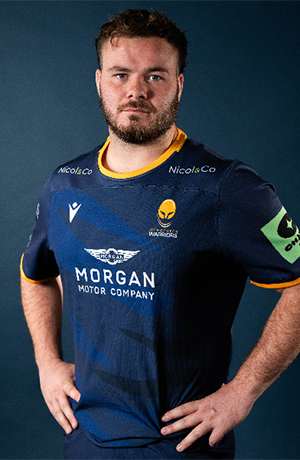
HAYNES LOOSEHEAD
... ... ... ... . |
In that environment, Haynes became an intriguing fit. He arrived at Sixways as part of a wider rebuilding project that mixed experienced names with ambitious young talent. Alongside established professionals such as Matt Kvesic, Lloyd Williams and Fraser Balmain Worcester have looked to develop players capable of growing with the club over the coming seasons. Haynes represents exactly that type of signing. While still early in his professional journey, the prop’s progression through local rugby has already reflected the resilience Worcester supporters admire. His route has not been built on academy hype or social-media attention. Instead, it has come through performances, consistency, and steady development. Breaking Into Championship Rugby The 2025–26 season marked a major step forward. Haynes made his Champ Rugby debut during Worcester’s trip to Caldy, one of several appearances in matchday squads as the Warriors settled back into life in professional rugby. The opportunity represented a significant jump in level, moving from regional rugby into one of the most physically demanding competitions in England. For front-row players especially, the Championship remains an unforgiving proving ground. Scrums are fiercely contested, experienced veterans target young props relentlessly, and every technical weakness is exposed quickly. Yet Worcester’s coaching staff clearly saw enough potential in Haynes to continue integrating him into the senior environment. His inclusion in multiple Warriors squads throughout the season suggested growing trust from the coaches. Whether starting or coming off the bench, Haynes offered energy, physicality, and a willingness to embrace the confrontational side of forward play. That willingness matters at Worcester. Historically, Sixways crowds have always appreciated honest front-rowers — players prepared to scrap for inches in the tight exchanges before getting back to their feet to make another tackle or carry. More Than Just a Prospect What makes Haynes particularly interesting is that his development appears to extend beyond the pitch. Alongside his playing commitments, he has also been involved in coaching and player development work through ProAcademy Rugby, helping younger athletes understand the pathways and demands of modern rugby. That combination of player and mentor often reflects maturity beyond a player’s years. Within rugby circles, props traditionally develop later than players in other positions. The technical demands of scrummaging, body conditioning, and game management usually mean front-rowers reach their peak in their late twenties or even early thirties. For that reason, Worcester’s investment in younger forwards such as Haynes appears designed with the long term in mind. The Importance of Local Connections Perhaps the most compelling aspect of Haynes’ story is how closely it aligns with Worcester Warriors’ wider rebuilding narrative. After years of financial turmoil and uncertainty surrounding the club’s future, supporters wanted more than simply a return to rugby. They wanted a team that reflected the community again. Players emerging from Midlands rugby carry that connection naturally. Haynes’ rise from Bromsgrove rugby into the professional setup resonates strongly with supporters who value local identity and player development. In many ways, he represents the type of pathway Warriors fans hope the club can continue building in the years ahead. That connection has already been recognised by the Worcester Warriors Supporters’ Trust, which named Haynes as one of the players sponsored by the organisation. At a club rebuilding its relationship with supporters as much as rebuilding its squad, those details matter. The Road Ahead There is still a long way to go in Finn Haynes’ rugby journey. Young props rarely follow a straight-line progression. There will be difficult afternoons, lessons learned against seasoned front-row operators, and constant technical refinement required at the professional level. But Worcester Warriors appear to believe they have found a player worth developing. As the club continues its climb back toward the upper levels of English rugby, players like Haynes could become central to the identity of the new Warriors era: resilient, grounded, and shaped by the rugby heartlands of the Midlands. For now, Haynes remains a developing player with potential rather than a finished product. Yet at Sixways, where supporters have always appreciated effort and commitment as much as reputation, that may be the perfect place to begin. Played 5, Won 5, Points 0 |
Finn Haynes: The Front-Row Fighter Joining Worcester Warriors’ New Era There is something fitting about a young prop beginning his professional rugby journey at Worcester Warriors. For decades, Sixways built its reputation on hard-nosed forwards, uncompromising scrummaging, and players willing to work through the difficult yards long before the glory arrived out wide. As Worcester continue their remarkable rebuild following the club’s return to professional rugby, the arrival of emerging tighthead prop Finn Haynes feels symbolic of the identity the Warriors are trying to restore. Haynes may not yet be a household name across English rugby, but inside Midlands rugby circles his rise has been quietly gathering momentum for several seasons. Built Through the Midlands Rugby System Before the bright lights of Championship rugby and packed afternoons at Sixways, Haynes earned his reputation the traditional way — through grassroots and regional rugby. The powerful front-rower developed through the Midlands club scene with Bromsgrove RFC, where coaches and supporters quickly recognised both his physicality and his appetite for improvement. Unlike many young props who rely purely on size in the early stages of their development, Haynes became known for his mobility around the park as much as his scrummaging. At Bromsgrove, he established himself as one of the club’s most dependable forwards. Coaches praised his durability and consistency, particularly during a demanding campaign in which he featured in every league game — no small achievement for a front-row player. His performances soon earned representative honours with the Midlands Under-20 setup. During England Rugby divisional fixtures, Haynes impressed with his work at the set-piece and his ability to carry aggressively in open play. Those close to the Midlands programme spoke highly of his attitude. He was seen as one of the players willing to embrace the less glamorous parts of forward play: the repeated scrum resets, dominant cleanouts, and relentless defensive work that define elite front-row rugby. Catching Worcester’s Attention Worcester Warriors’ rebirth has relied heavily on identifying hungry players with something to prove. Following the club’s dramatic collapse and subsequent return to professional rugby, head coach Matt Everard and the Warriors recruitment staff were tasked with building a squad capable not only of competing immediately, but of reconnecting the club with its traditional identity. |
|||
|
|||
|
CHARLIE POSITION
Date of Birth : Height : Weight : Previous Club : International : |
CHAPMAN SCRUMHALF
1st Dec 1998 1.75m, 5ft 9ins 80kgs, 12st 8lbs Exeter Scotland U20 |
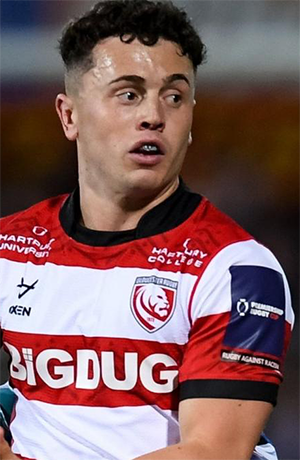
Known for his quick service, excellent fitness and ability to inject tempo into a game, Chapman became a reliable performer whenever called upon. His consistency was rewarded with increasing game time, eventually making close to 100 appearances for the Kingsholm club and scoring 13 tries during his Gloucester career. |
Charlie Chapman: Warriors Land a Proven Premiership Scrum-Half |
|||
|
|||

|
MONTY POSITION
Date of Birth : Height : Weight : Previous Club : International : |
OLIVER LOCK
??? ??? ??? Junior Academy Scotland U18 |
Following school, Oliver joined Hartpury College, one of the United Kingdom's premier rugby development programmes. Hartpury has become a proven route into the professional game, producing Premiership players, internationals and age-grade representatives on a regular basis.
While at Hartpury, Oliver's Scottish heritage opened the door to international recognition. In 2023 he was selected into Scotland's Under-18 development programme, joining a group of talented Scottish-qualified players identified from across Britain. The selection highlighted his potential and placed him firmly on the radar of Scottish Rugby's age-grade system. The call-up was recognition of years of work across multiple development environments. Having progressed through Worcester's academy structure, excelled within schoolboy rugby at Malvern College and continued his development at Hartpury, Oliver had built an impressive rugby résumé before reaching adulthood. His recent signing for Worcester Warriors adds another chapter to that story. For many academy players, the dream is to one day represent the club whose badge they wore as youngsters. Oliver now has that opportunity. The reformed Warriors have placed significant emphasis on reconnecting with the region and rebuilding pathways for local talent following the club's return to professional rugby in 2025. Oliver's arrival reflects that vision, bringing home a player who understands the club, the area and the values that have long been associated with Worcester rugby. The Warriors' return to professional competition has been built around reconnecting with the local rugby community and creating opportunities for emerging talent. Still early in his career, Oliver combines strong academy grounding, representative honours and experience within elite development environments. His progression through Worcester Warriors Junior Academy, Malvern College, Hartpury College and Scotland's Under-18 pathway marks him out as one of the young players to watch as Worcester continue building for the future. Career Timeline
For Monty Oliver, the journey has come full circle. From academy prospect to professional Warrior, the next chapter is just beginning.
|
| Monty Oliver: From Warriors Academy Prospect to Professional Worcester Warrior
For Monty Oliver, signing for Worcester Warriors represents more than just the next step in his rugby career. It is a return to the club and pathway that helped shape him as a young player. Oliver's rugby journey began within the Worcester Warriors Junior Academy system, where he developed through the age-grade pathway in one of England's traditional rugby heartlands. Growing up in the Warriors catchment area gave him early exposure to elite coaching and a professional environment, laying the foundations for his future progression. His rugby education continued at Malvern College, a school with a proud history of producing high-level players. During his time there, Oliver established himself as one of the region's promising young talents and earned opportunities within the Gloucester academy pathway, representing academy teams at development festivals and attracting the attention of representative selectors.
|
|||
|
|||

|
ZACH POSITION
Date of Birth : Height : Weight : Previous Club : International : |
ARMSTRONG CENTER
??? ??? ??? Junior Academy ... |
His performances in the university and semi-professional game saw him re-enter the Worcester system, with the club confirming his return as part of a wider recruitment drive focused on re-integrating academy graduates and local talent into the senior setup. Primarily operating as a wing or centre, Armstrong offers versatility across the backline, combining pace and direct running with the ability to cover multiple positions in attack and defence. His background in both academy and BUCS rugby has helped develop his physicality and decision-making under pressure. Worcester’s current strategy has placed strong emphasis on rebuilding from within, and Armstrong’s return reflects that approach — bringing through players who understand the club’s culture and pathway system. At this stage of his career, he remains in the early stages of professional rugby development, with the focus on transitioning from university and academy rugby into consistent senior-level performance. He is regarded as a fit, developing backline option with long-term potential. For Worcester supporters, Armstrong represents exactly the type of player the current project is built around — local, developed within the system, and now stepping into the professional environment with something to prove.
|
Worcester Warriors Academy Graduate
|
|||
|
|||

|
LOCHIE POSITION
Date of Birth : Height : Weight : Previous Club : International : |
GLACKIN FLYHALF
... 5ft 10ins 85Kgs Leicester Academy Scotland U18 |
From school rugby, he progressed into the Leicester Tigers academy system, where he trained and played within one of England’s most competitive youth environments. Within Tigers, he was increasingly identified as a fly-half and secondary playmaker at inside centre, gaining exposure to high-performance coaching and academy-level competition.Alongside his academy development in England, Glackin has also been involved in the Scotland U18 pathway, representing Scotland at age-grade level as part of their long-term development plans at fly-half. His role has focused on game management, distribution, and tactical execution in structured international environments.More recently, he has been linked with a move into the Worcester Warriors development pathway, joining a rebuilding structure focused on integrating young talent into a professional training environment. This step places him in full-time rugby development, with a clear focus on long-term progression toward senior rugby. Physically, he fits the modern fly-half profile — lean, agile, and still developing strength — while his playing style is built around control rather than running power. He is viewed primarily as a structured No.10, capable of operating as a second receiver in midfield when required. Glackin remains firmly in the development stage of his career. However, his pathway through Denstone College, Leicester Tigers academy, Scotland U18, and Worcester Warriors marks him out as a fly-half prospect progressing through multiple elite systems — and one to watch in the coming seasons as he transitions toward senior rugby. |
Lochie Glackin
|
|||
|
|||
|
JACK POSITION
Date of Birth : Height : Weight : Previous Club : International : |
HOPSON CENTER
... ... ... Valence Romans ... |
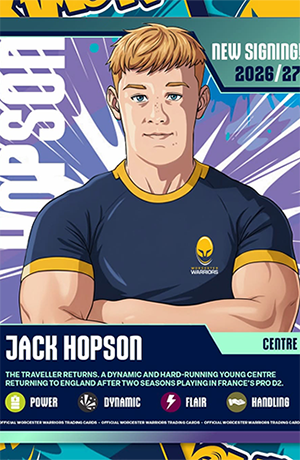
That experience abroad has helped shape him into a strong-running centre, comfortable carrying the ball aggressively into contact and breaking defensive lines. Known for his direct style of play, Hopson offers Worcester a midfield option who is willing to challenge defenders and generate forward momentum through physical ball-carrying. His return to English rugby marks the next step in a journey built on adaptability and ambition. Moving to France at a young age required resilience and maturity, and those qualities have remained central to his development. Now back in the UK, Hopson joins Worcester at a significant moment in the club’s rebuild. With the Warriors preparing to formally launch their Academy pathway, the signing reflects a wider strategy focused on identifying and developing young players with both domestic and international experience. For Hopson, the move offers an opportunity to continue that progression in a structured environment while pushing towards senior professional rugby. The combination of his French rugby education and natural physical style makes him an intriguing addition to the Warriors’ midfield options. As Worcester continue to assemble a squad built for long-term growth, Jack Hopson arrives as another player with a clear identity — a powerful, gainline-focused centre with valuable experience already gained in one of Europe’s toughest rugby systems. Supporters will be keen to see how his game develops as he integrates into the Warriors environment and takes the next step in his career in blue and gold.
|
French Experience and Power
|
|||
|
|||
|
TOM POSITION
Date of Birth : Height : Weight : Previous Club : International : |
SAVAGE LOCK
18th April 1989 1.97m, 6ft 5ins 116kgs, 18st 5lbs Moana Pacifica ... |
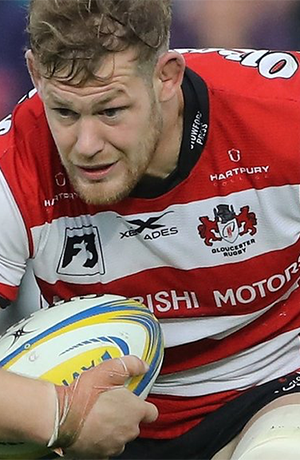
His performances in the Premiership regularly placed him among the league's most effective forwards, while his later experiences overseas exposed him to a host of current and former international players from across the rugby world.In addition to his club achievements, Savage has represented representative sides in elite competitions across multiple rugby nations, demonstrating his ability to perform in different environments and rugby cultures.Japanese Success with Suntory SungoliathAfter departing Gloucester in 2019, Savage embraced a new challenge in Japan, joining Suntory Sungoliath. The move proved to be a highly successful chapter in his career. Over four seasons in Japan's highly competitive Top League, Savage became a valued member of one of the country's leading professional clubs. Japanese rugby offered a different style of play, demanding greater speed and technical precision while maintaining the physical standards expected at the elite level. Savage adapted seamlessly, adding new dimensions to his game while continuing to provide leadership and experience. His time in Japan also coincided with the growing profile of the country's domestic competition following the success of the Rugby World Cup in 2019, exposing him to some of the world's leading players and coaches. New Zealand Adventure and Super RugbyHaving conquered English and Japanese rugby, Savage took on perhaps his biggest challenge yet by moving to New Zealand. Joining Moana Pasifika in Super Rugby Pacific, he entered one of the most demanding competitions in world rugby. Over three seasons, Savage competed against some of the Southern Hemisphere's strongest franchises and many current international players. His experience and leadership quickly became valuable assets within the Moana Pasifika environment, where his professionalism and work ethic helped guide younger players. Alongside his Super Rugby commitments, Savage also represented North Harbour in New Zealand's National Provincial Championship, captaining the side during the 2025 season. That appointment underlined the regard in which he was held by coaches and teammates alike. Returning HomeAfter seven years overseas, Savage now returns to English rugby with Worcester Warriors. His arrival represents a major statement of intent from a club continuing its ambitious rebuild. Bringing nearly two decades of professional rugby experience, Savage offers far more than his on-field ability. He arrives as a proven leader, a former Premiership captain, a player with almost 200 Gloucester appearances, four seasons in Japan's top division, three campaigns in Super Rugby Pacific and captaincy experience in New Zealand's NPC. What He Brings to Worcester WarriorsFor Warriors supporters, Tom Savage's signing brings:
As Worcester Warriors continue building towards a successful future, few signings could offer a stronger blend of leadership, professionalism and experience. Tom Savage arrives at Sixways with a reputation forged across three rugby continents. Now, the next chapter of an outstanding career begins in Warriors colours. |
A Career Built on Leadership
|
|||
|
|||
|
KOFI POSITION
Date of Birth : Height : Weight : Previous Club : International : |
CRIPPS BACKROW
03 Apr 03 1.84m - 6ft 0ins 94kgs - 14st 12lbs Bristol Bears Eng U20 |
He made his Gallagher Premiership debut for Bristol against Newcastle Red Bulls in April 2026, giving him his first taste of regular top-level professional rugby. Cripps can operate at both openside flanker and No. 8, offering Worcester versatility across the back row. He is an athletic and mobile forward, with his ability in both attack and defence particularly highly regarded. His move to Sixways also reunites him with Matt Everard, who previously worked with Cripps at Wasps. That existing relationship was an important factor in the player's decision to join Worcester. After spending several weeks on trial with the Warriors during pre-season, Cripps did enough to earn a permanent contract. For Cripps, Worcester represents an opportunity to take the next step in his career and establish himself as a regular first-team player. At just 23, he has plenty of time to develop, and Warriors supporters will be hoping that his combination of youth, athleticism and ambition makes him an important member of the squad for years to come. Warriors Supporters' ViewOne to watch: Cripps is an interesting signing for Worcester. His England age-group background, Premiership experience and versatility make him a player with considerable potential. The fact that Matt Everard already knows his game could also help him settle quickly at Sixways. |
Kofi Cripps arrives at Worcester Warriors looking to establish himself after gaining valuable Premiership experience with Bristol Bears. A product of the Wasps academy, Cripps was highly regarded as a youngster and represented England at both U18 and U20 level. His development was interrupted by the collapse of Wasps in 2022, but he rebuilt his career with Clifton RFC before earning a move to Bristol. |
|||
|
|||
|
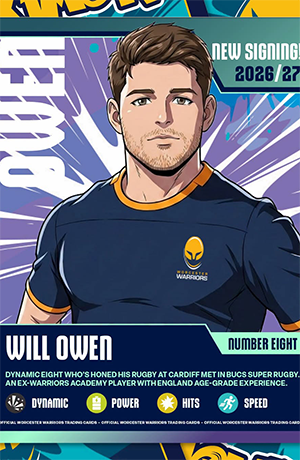
WILL POSITION
Date of Birth : Height : Weight : Previous Club : International : |
OWEN No.8
... ...s ...s Cardiff Met Eng U?? |
... |
... |
|||
|
|||
|
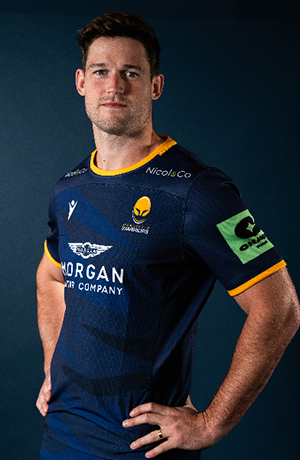
TIM POSITION
Date of Birth : Height : Weight : Previous Club : International : |
ANSTEE BLINDSIDE
19 May 97 1.93m, 6ft 4ins 106kgs, 16st 9lbs Western Force Australia 7's |
Anstee has spent the past four seasons with the Western Force in Super Rugby, making the switch to XVs after his first professional contract in the Sevens program. Anstee played 45 games over his time with the Force, winning the Nathan Sharpe Medal as the team’s best player in 2022, just his second season in Super Rugby. He is a familiar face to the LA coaching staff, coached by director of rugby Stephen Hoiles while in the Sevens program and working with assistant coach Dave Dennis in Australia’s Shute Shield. It was in his most recent time with Shute Shield club Eastwood that Anstee caught the eye of LA assistant coach Dave Dennis as a potential recruit. His Sevens pedigree is clear in XVs, with the powerful forward possessing mobility that betrays his size, and he will be well equipped for his MLR debut in 2025. Played 23, Won 14, Tries 7, Points 35 |
|
|||
|
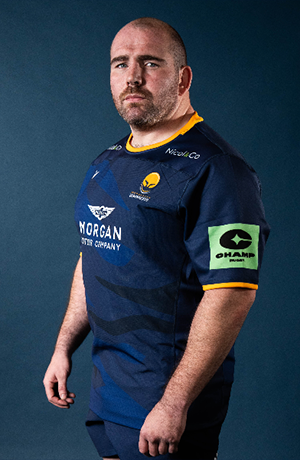
FRASER POSITION
Date of Birth : Height : Weight : Previous Club : International : |
BALMAIN TIGHTHEAD
16 Nov 91 1.85m, 6ft 1ins 117kgs, 18st 5lbs Saracens England XV |
Balmain joined Leicester Tigers in July 2010 after being released from Newcastle Falcons academy and turning down an academy contract from Northampton Saints. On 12 November 2010 he made his Leicester debut from the bench during an Anglo-Welsh Cup game against Ospreys in Bridgend. He had to wait two years though to make his first start against the New Zealand Maori on 13 November 2012. Balmain played as a replacement during the 2013 Premiership final as Leicester defeated Northampton Saints. The following year on 1 June 2014 saw him receive international recognition as he came off the bench as a substitute for an England XV in a non-cap friendly against the Barbarians. In his last season at the club Balmain started for the Tigers side that defeated Exeter Chiefs to win the 2016–17 Anglo-Welsh Cup On 10 January 2017, Balmain left Leicester to join Premiership rivals Gloucester ahead of the 2017–18 season. In his first campaign at the club he was part of the side that were defeated by Cardiff Blues in the 2017–18 European Rugby Challenge Cup final. The following campaign saw the cherry and whites reach the league play-offs and their elimination at the semi-final stage. In his last season with the club Balmain started in the 2023–24 EPCR Challenge Cup final at Tottenham Hotspur Stadium which saw them beaten by Sharks to finish runners up. The tighthead prop, who has a wealth of experience in the Gallagher Premiership joined Saracens on a one-year deal to add real strength to the front-row. The 32-year-old has made over 200 appearances in the top-flight. On the international front he was involved for England against the Barbarians, highlighting his strong scrummaging ability. Played 13, Won 8, Tries 0, Points 0. |
|
|||
|
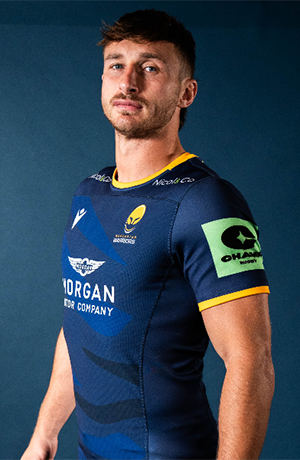
JOSH POSITION
Date of Birth : Height : Weight : Previous Club : International : |
BASSETT WING
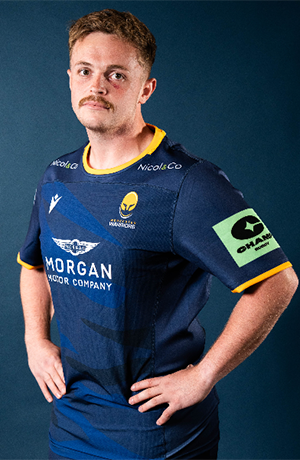
17 Mar 92 1.92m, 6ft 3ins 101kgs, 15st 12lbs Leicester ENGLAND |
Bassett played youth team rugby for Ampthill RUFC, where he helped the under-17s win the National Bowl with a try in the final—the team lost only one game all season. Bassett played for Bedford Blues in the RFU Championship. After being promoted from the academy in 2010, Bassett soon became a regular starter. He was linked with a host of Premiership teams after becoming a prolific try scorer for the Blues. On 3 April 2013, it was announced that Bassett had signed for Wasps for the 2013/14 season. He would join fellow England U20s such as Tommy Bell, Nathan Morris and Alec Hepburn with whom he played at the 2012 junior World Cup. He joined Harlequins until the end of the season 2022. On 25 January 2023, Bassett signed for Leicester Tigers from the 2023-24 season. Bassett scored a hat-trick of tries on 11 January 2025 as Tigers beat Ulster to qualify for the round-of-sixteen in the Champions Cup. On the 16th May 2025, it was announced Bassett had signed for Worcestor Warriors. The 2nd player announced after the club had been accepted into the new setup for Champ Rugby. |
|
|||
|
WILL POSITION
Date of Birth : Height : Weight : Previous Club : International : |
BIGGS HOOKER
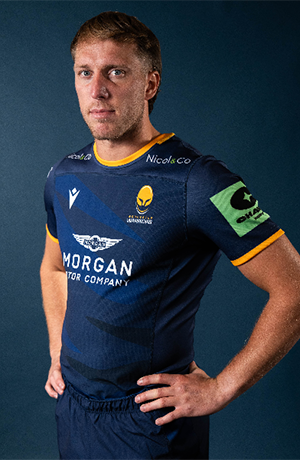
19 May 97 1.85m, 6ft 1ins 108kgs, 17st 0lbs Coventry .... |
Will Biggs joined Coventry Rugby ahead of the 2022/23 season. Biggs spent the majority of his junior and colts’ career at Drybrook RFC before attending Hartpury University. Whilst at university, Biggs played within the Super BUCS set-up and captained his team to victory at Twickenham for the 2018 Super BUCS Rugby final. Since then, Biggs has played for Moseley RFC and Bedford Blues before signing with Coventry. Alongside his professional rugby career, Biggs manages his company ‘Zeeon’ which assists sports clubs in making match-day content more engaging and interactive through the online design portal. The company has seen great success and currently has over 100 clubs using the platform. Will studied BA (Hons) Sports Business Management at Hartpury and has since gone on to set up his own business. "My tutors helped me to apply the knowledge when setting up my business, which I enjoyed every minute of thanks to the support and encouragement I received from my tutors at Hartpury. I played rugby which was a great experience. I still play now with Coventry and enjoy balancing my time with my business. In one of my modules, we had to create a new business venture, and at that time my business had just started, the skills I learnt from that module were really beneficial. We’ve created our own designer programme within our platform so clubs and events can use our service instead of needing an external publisher or designer. This has worked well for us as we now do everything for our clients and have become self-sufficient. We’re expanding worldwide next month; we have a few clubs that have already joined from America and the MLR, which is great.” Played 10, Won 8, Points 5 |
|
|||
|
LOUIS POSITION
Date of Birth : Height : Weight : Previous Club : International : |
BROWN FULLBACK
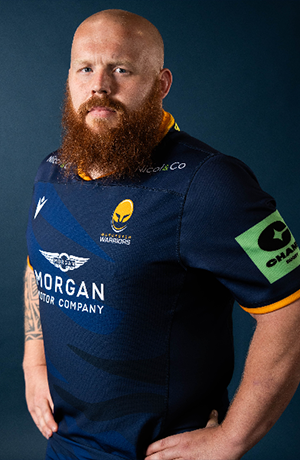
17 Feb 98 1.87m, 6ft 1ins 91kgs, 14st 4lbs Newcastle Ex.Rugby League |
The full-back/wing began his career in rugby league where he played for Featherstone Rovers, switching to union with Leeds, where he earned a senior academy contract and played for England Counties Under-18s. Spending six months with Old Elthamians in National One following Leeds’ financial problems, Brown was snapped up by Coventry, where he excelled. Earning a reputation for his elusive running and big left boot, he appeared 45 times in his three seasons there, the last of which saw them finishing third in the Championship table. Louis’ first season with the Falcons in 2023-24 saw him making his debut in the Premiership Rugby Cup win over Bedford, going on to score his first try at home to Caldy in the same competition. His Premiership debut in November 2023 saw him starting on the wing away to Sale Sharks, scoring a try in the first few minutes and going on to score three tries in eight outings that season. Played 13, Points 15, Tries 3 |
|
|||
 |
ASHLEY POSITION
Date of Birth : Height : Weight : Previous Club : International : |
CHALLENGER TIGHTHEAD
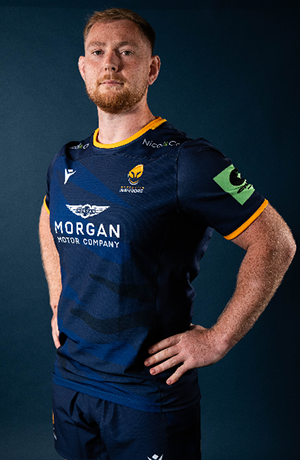
09 Sep 95 1.79, 5ft 10" 125kgs, 18st 12lbs London Scottish .... |
He made his debut in the Premiership Cup, coming off the bench and contributing to a victory over Exeter Chiefs. His strong set-piece work and ability to get around the park quickly earned him recognition within the team. Challenger's time at Bristol Bears allowed him to gain valuable experience and further develop his skills at the professional level. Move to France with C’Chartres Seeking broader horizons, Challenger moved to C’Chartres, a French rugby club, where he further honed his skills in the competitive French leagues. His time in France added a new dimension to his playing style, blending the physicality of English rugby with the tactical nuances of French play. Challenger's experience in France enriched his understanding of the game and contributed to his development as a well-rounded player. Return to England with London Scottish In August 2023, Challenger signed with London Scottish for the 2023/24 season. During his tenure, he became a cornerstone of the team's front row, known for his strong set-piece work and mobility around the park. Despite a foot injury that curtailed his 2024/25 season, he was determined to return stronger. Challenger's commitment to the team and his resilience in overcoming injury showcased his dedication to the sport. New Beginnings at Worcester Warriors In September 2025, Challenger made a significant move to Worcester Warriors, joining the club for the 2025/26 season in the newly rebranded Champ Rugby. The Warriors, returning to professional rugby after a hiatus, welcomed Challenger as a seasoned tighthead prop to bolster their front row. Challenger's experience and skill set were seen as valuable assets to the team's aspirations in the Championship. Looking Ahead With the 2025/26 season underway, Challenger's experience and tenacity are expected to play a pivotal role in Worcester Warriors' campaign. Fans and analysts alike are eager to see how his contributions will impact the team's performance in the Championship. Challenger's journey from grassroots rugby to professional play serves as an inspiration to aspiring players, demonstrating the importance of perseverance and dedication in achieving success. Played 15, Won 10, Tries 3, Points 15. |
Ashley Challenger: From Grassroots to Worcester Warriors Early Life and Rugby Beginnings Born on 9th September 1995 in Bristol, England, Ashley Challenger's rugby journey began at a young age. He represented Avonmouth as a junior player, laying the foundation for his future in the sport. His passion for rugby led him to pursue further education at SGS Filton, a renowned institution known for its strong rugby program. During his time at SGS Filton, Challenger continued to develop his skills and refine his game. Club Career: From Dings Crusaders to Hartpury Challenger's next move took him to Hartpury, a team competing in the highly competitive Championship. Joining Hartpury provided him with the chance to showcase his abilities at a higher level and test himself against strong opponents. This experience further honed his skills and contributed to his development as a player. Professional Debut with Bristol Bears In 2021, Challenger signed a one-year deal with Bristol Bears, marking his entry into professional rugby.
|
|||
|
|||
|
HALLAM POSITION
Date of Birth : Height : Weight : Previous Club : International : |
CHAPMAN LOCK
1st December 1997 1.93, 6ft 4ins 118, 18st 8lbs Exeter England Counties |
Coaches noted his consistency: while others fluctuated, Chapman delivered performances you could rely on. The 2024–25 season became a turning point. Playing senior rugby more regularly, he began to impose himself on games. There were standout moments—a turnover at a critical point, a try built from sheer persistence, a defensive shift that held a narrow lead—but more importantly, there was a body of work that showed maturity beyond his years. Scouts started paying closer attention. When Worcester Warriors began rebuilding for the 2025–26 season, they weren’t just looking for star names—they wanted players who could form the backbone of a new era. Chapman fit that vision. His signing wasn’t accompanied by massive headlines, but inside rugby circles, it was seen as a smart, long-term move. Joining Worcester marked a step up in expectation. Pre-season was demanding, blending established professionals with emerging talent. Chapman approached it the same way he had everything else—with focus rather than fanfare. He earned respect quickly, not through speeches, but through effort: first into contact drills, last to leave conditioning sessions, always asking questions, always refining. As the 2025–26 season unfolded, Chapman began to carve out his place. He wasn’t immediately the headline act, but his influence grew week by week. Coaches trusted him in tight games. Teammates leaned on his work at the breakdown. Supporters started to notice the number on his back more often—not because of flashy moments, but because he was always there when it mattered. His story at Worcester was just beginning, but it carried the same thread that had defined his journey so far: steady growth, quiet determination, and a belief that impact doesn’t need noise to be felt. Hallam Chapman hadn’t arrived as a finished product—but he hadn’t come to Worcester to stand still either. Played 19, Won 12, Tries 5, Points 25. |
Hallam Chapman had never been the loudest voice in the room, but on a rugby pitch, he didn’t need to be. His game spoke clearly—sharp reads, relentless work rate, and a kind of quiet resilience that coaches trust and teammates follow. Born and raised in the north of England, Chapman’s early years were shaped by cold Saturday mornings and muddy club grounds. He came through grassroots rugby the traditional way—local clubs, school competitions, and county selection—earning a reputation as a player who could adapt, whether in the back row or stepping into a wider defensive role when needed. What set him apart wasn’t just physicality, but awareness: he seemed to understand the rhythm of a match a second earlier than everyone else. By his late teens, Chapman had entered the academy system, where the game sharpened. Training intensity increased, margins tightened, and for the first time, talent alone wasn’t enough. It was here that he refined the details—breakdown efficiency, defensive alignment, and ball-carrying decisions under pressure. |
|||
|
|||
|
TIFF POSITION
Date of Birth : Height : Weight : Previous Club : International : |
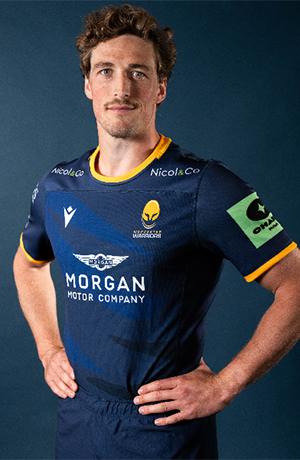
EDEN FLYHALF
16 Oct 94 1.83m, 6ft 0ins 92kgs, 14st 6lbs Saracens Warriors Academy |
2. Like many developing fly-halves, regular game time was essential, and Eden gained that experience through several loan spells with Nottingham Rugby. It was at Nottingham where his game truly matured. Running attacks week after week in the Championship sharpened his tactical kicking, game management, and confidence as a frontline playmaker. After officially joining Nottingham permanently in 2017, Eden enjoyed an impressive campaign, becoming one of the Championship’s standout fly-halves. His ability to control territory and accumulate points quickly caught wider attention. That form earned him a move to Bristol Bears in 2018, where he entered a highly ambitious environment under Pat Lam. Competition for places was fierce, but Eden became a dependable squad member capable of stepping into Premiership and cup matches whenever called upon. During his years with Bristol, he also spent time on loan with Hartpury University RFC, continuing to gain valuable minutes and maintain match sharpness. One of the defining chapters of Eden’s career came in 2022 when he moved abroad to join Zebre Parma in Italy’s United Rugby Championship. The switch gave him the opportunity to experience a different rugby culture and compete against elite European opposition on a regular basis. Over two seasons in Parma, he became a key figure for Zebre, showing resilience and adaptability while facing some of the strongest clubs in Europe. Following his time in Italy, Eden returned to England and later earned a short-term opportunity with Saracens as injury cover during the 2024 season. Even in a brief stint, the move highlighted the regard in which he is held within the professional game. But perhaps the most compelling part of his journey is his return to Worcester Warriors. After the club’s dramatic collapse and rebuild, Eden’s decision to rejoin Worcester represents more than just another transfer. It is a reunion between player and club — one built on loyalty, unfinished business, and experience. For Worcester, Eden brings leadership, professionalism, and a wealth of rugby knowledge gathered from multiple leagues and competitions. For supporters, he represents a familiar face from the club’s past now helping shape its future. At 30 years old, Tiff Eden is no longer simply a promising academy fly-half. He is an experienced rugby professional whose career has taken him through England’s Championship, the Premiership, European rugby, and the URC — and now back home to Sixways, where the next chapter begins once again. Played 22, Points 67, Tries 2, Con. 27, Pen 1 |
1. Tiff Eden: The Journeyman Fly-Half Bringing Experience Back to Worcester In modern rugby, the fly-half position demands composure, tactical intelligence, and the confidence to control a game under pressure. Few English players have quietly built a career around those qualities quite like Tiff Eden. Now back at Worcester Warriors, Eden’s rugby story has come full circle — from academy prospect to seasoned professional with experience across England, Italy, and the Premiership. Born in Cheltenham in 1994, Eden developed through the Worcester Warriors academy system, emerging as a talented young playmaker with a calm temperament and reliable boot. His early years at Sixways offered him valuable exposure to senior rugby, including appearances in the Championship and European competitions. During this first spell with Worcester, he was also part of the squad that lifted the British & Irish Cup in 2015. |
|||
|
|||
|
ALFIE POSITION
Date of Birth : Height : Weight : Previous Club : International : |
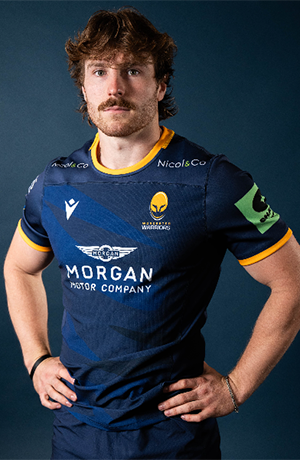
GARSIDE WING
01 Nov 00 1.83m, 6ft 0ins 95kgs, 13st 13lbs Bedford . |
Alfie made over 40 appearances in BUCS Super Rugby during his studies, including helping Bath reach the post-season semi-finals in the most recent campaign, falling to defeat against eventual finalists, Exeter. Spending the majority of his time on the wing, Garside has also featured on a number of occasions at 13 and to a lesser extent, Alfie spent a season at Bury St Edmunds in National Two while taking a gap year before beginning his university journey. The two brothers played together for the first time at senior level last season in Northampton Saints’ friendly with South African side Stormers, and they will look to do so again at Goldington Road next season. Speaking about making the move to the second-tier for the first time, Garside said: “Nothing but excitement about joining Bedford Blues and I can’t wait to get started, a big step up to Championship level but I’m ready for the challenge. “Speaking with my brother, Jake; he always talks about how much he enjoys it at Bedford so really looking forward to getting stuck in and meeting new teammates next week for the start of pre-season. Director of Rugby, Rayer added: “Met Alfie last year actually so we were aware of him and he's been on our radar for some time. "Now he's completed his Masters, it was the right opportunity. There's plenty of raw ability about him and his versatility is a bonus in those outside backs positions." Played 7, Won 3, Tries 2, Points 10 |
|
|||
|
JAKE POSITION
Date of Birth : Height : Weight : Previous Club : International : |
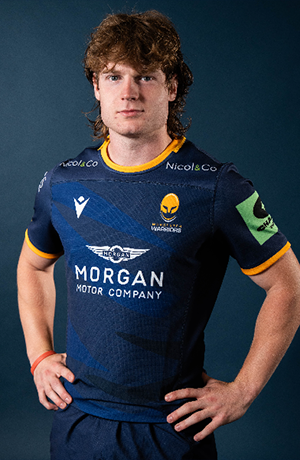
GARSIDE SCRUMHALF
1 Sep 01 1.73m, 5ft 8ins 72kgs, 11st 4lbs Northampton .... |
Jake hails from the Norfolk coastline and developed his game at Norwich School and Wymondham RFC instagram. He joined the Northampton Saints Academy at under-14s before earning a spot in their Senior Academy ahead of the 2021–22 season Made his Saints first-team debut in the 2022 Premiership Rugby Cup against Newcastle Falcons, marking the occasion with a well-taken try. Stepped onto the Premiership stage in 2023, debuting against Gloucester in the regular league . Known for his X‑factor pace and versatility, he has featured at scrum-half, wing, and full-back—a trait highlighted by his coaches Stand-out moment: his try against the Stormers in a 2024 exhibition match was more than personal—it featured a touching on-pitch reunion with his brother Alfie, creating an emotional moment for their dad too . Garside gained valuable playing time through loan stints with Bedford Blues, Leicester Lions, and Cambridge, including a two-try, man‑of‑the‑match display against Bristol Bears in the Championship Over the past three seasons, he's made at least 17 first-team appearances, scoring around 3 tries in Premiership action . Described as tenacious, aggressive, with rapid footwork and sharp defensive reads—earning high praise from coaches like Phil Dowson Moving to Worcester aligns with Jake’s ambition to secure consistent starts and expand his role across multiple back-line positions. His pace, versatility, and game intelligence make him a strong candidate for the Warriors as they campaign in the Championship and aim to climb back to Premiership ranks. Played 22, Won 14, Tries 12, Points 60 |
|
|||
|
JUAN POSITION
Date of Birth : Height : Weight : Previous Club : International : |
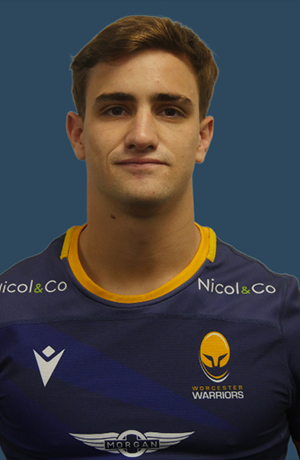
GONZALES WING
12 Apr 03 1.8m, 5ft 11ins 87kgs, 13st 9lbs Uruguay 7's URUGUAY |
Uruguayan Juan González is set to continue his rugby career in England. The 22-year-old has signed for the re-born Worcester Warriors and will join the team in October from Uruguay. González had the honor of repressing his country at the Olympic Games. He was named on the roster for the 2024 Paris Olympic Games. He scored tries at the Olympics against Fiji and France and he went over for a double against Japan. Uruguay finished 11th in Paris. International honors continued for González after the Olympic Games. He was named on Uruguay’s roster for the November Internationals. Los Teros toured Europe facing Spain in Madrid, Japan in France and Romania in Bucharest. González made his test debut against Spain. He was a replacement in the 33-24 defeat. He earned his first starting cap one week later against the Japanese. Uruguay gave Japan a fright in Chambéry, France; albeit, Los Teros were beaten 36-20. It was third time lucky for Uruguay and Juan González in November 2024. González started at fullback in what was his first test victory as Uruguay were 23-21 winners over Romania . González made a break in the lead-up to Gastón Mieres’ try. 2025 saw González heavily involved for Uruguay on the SVNS, the World Rugby Sevens Series. He was a regular for Uruguay in the recently completed season. Played 14, Won 9, Tries 4, Points 20. |
|
|||
|
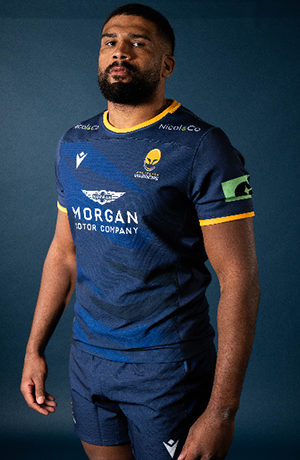
COME POSITION
Date of Birth : Height : Weight : Previous Club : International : |
JOUSSAINE LOCK
18 Jan 01 1.97m, 6ft 5ins 117kgs, 18st 5lbs Leicester .... |
Reflective and team‑oriented: he highlighted learning lessons after facing a strong Bordeaux squad and expressed gratitude to play for a club as stable as Leicester Transitioned from a relegated Pro D2 side to England’s elite league through grit and adaptability. As one of the only French locks in the Premiership, he’s bridging rugby cultures and challenging France’s inward player trends. At just 24, he's already contributing at the highest European level. Leicester’s trust in him suggests big things ahead. Building on early Premiership and Champions Cup exposure—more starts and consistent playtime expected. Keeps developing physically and tactically under top-tier coaching. Could become a valuable asset for Worcester Warriors and may even eye international consideration if his form and visibility rise. In short, Côme Joussain is a talented, overlooked prodigy who bet on himself—and it’s paying off spectacularly. From Paris to Carcassonne, then Nottingham and Leicester, he’s now carving out a unique legacy as one of France’s few exports flourishing abroad. Played 7, Won 4, Tries 0, Points 0. |
Off‑Field Life & Personality One of the very few French players currently in the English Premiership—alongside Rabah Slimani, he's an exception Affectionately nicknamed “Le Français” by teammates, who enjoy teasing him about his accent and love of French comfort foods — he even stocks up on cheese and sends charcuterie through friends! |
|||
|
|||
|
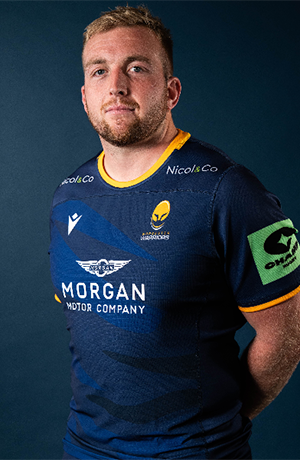
BILLY POSITION
Date of Birth : Height : Weight : Previous Club : International : |
KEAST LOOSEHEAD
24 Nov 96 1.84m 6ft 0ins 115kgs, 18st 1lb Exeter .... |
Here's the story of Billy Keast, the Cornish prop whose solid development at Exeter Chiefs has earned him a move to Worcester Warriors Son of Richard Keast, former Redruth and Cornwall prop. Began rugby with Newquay Hornets at age nine, later attended Treviglas Community College and Truro College, where he was scouted into the Exeter Chiefs Academy Transitioned from tighthead to loosehead prop around age 21. Gained valuable match experience on dual-registration with Redruth, Plymouth Albion, and Cornish Pirates in the Championship . Represented England at U18 and U20 levels, and was part of the 2016 U20 Junior World Cup-winning squad In December 2021, won the RPA’s Vodafone Business Gain Line Award for launching his No. 1 Cubs coffee and clothing brand in Cornwall and beyond . Garnered recognition and a shortlist nod for the RPA award in 2022 Made his Exeter senior debut in November 2016 during an Anglo-Welsh Cup match vs Harlequins and soon contributed to the Cup-winning run in 2018. Became a more regular presence in the Chiefs’ squad: by mid-2024 he had made 53 appearances, scoring 3 tries (15 points) . Played across Premiership, Champions Cup, and Premiership Cup competitions; was part of Exeter’s intense post-COVID double-winning schedule Billy Keast combines solid set-piece scrummaging with off-field entrepreneurship. His move to Worcester should see him bring experienced front-row cover and leadership to our Championship rebuild. Played 18 |
|
|||
|
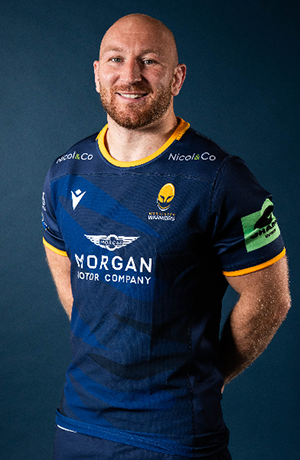
MATT POSITION
Date of Birth : Height : Weight : Previous Club : International : |
KVESIC No8
14 Apr 92 1.88m, 6ft 2ins 105kgs, 16st 7lbs Coventry England |
Matthew Boris "Matt" Kvesic (born 14 April 1992) in Iserlohn Germany to English parents of Croatian and Polish roots, he has represented England at international level and played for several youth representative sides before making his debut for the senior team in 2013. Predominantly an openside flanker, he has also played on the blindside and at number eight. After taking up rugby at Swanage & Wareham RFC, Kvesic attended Blundell's School in Tiverton where he captained the team in schools rugby. He joined the Worcester Warriors Academy aged 14 after attending a training camp before completing his academic studies at Worcester Sixth Form College. Whilst in Sixth form he also represented North Midlands and then the Midlands as a whole in the Midland's Under-18 Championship and Divisional Festival respectively. After a number of stand-out displays for county side North Midlands and the Midlands Division the flanker earned England honours at U16 and U18 level. Kvesic made his senior debut for Worcester in 2009, in the process becoming the youngest player to represent the club in the professional era. England U20 honours followed as Kvesic became an integral part of the Warriors’ line-up before signing for Gloucester in 2013 – the year during which he made his first of his four senior appearances for England against Argentina. Played 23, Won 15, Points 30. |
|
|||
|
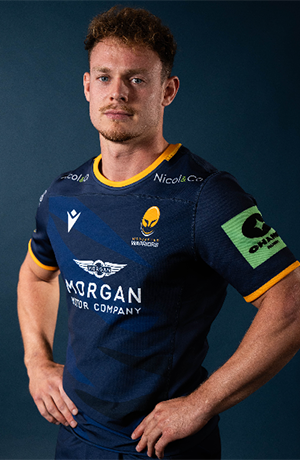
WILL POSITION
Date of Birth : Height : Weight : Previous Club : International : |
LANE SCRUMHALF
4 Dec 00 1.78m, 5ft 10ins 83kgs, 13st 0lbs Coventry .... |
Started out playing fly-half and inside centre before realising his calling at scrum-half, beginning rugby at age 10 . A former product of the Worcester Warriors Academy, he later earned a business degree from Loughborough University, balancing academics with competitive university rugby After graduating, he landed his first professional contract with Jersey Reds (Championship), then moved to Coventry Rugby ahead of the 2022–23 season . At Coventry, he made 49 appearances, scoring 11 tries (55 points) and became known for his quick service and sharp play around the breakdown . Lane’s return marks a homecoming and a fresh opportunity to lead Warrior’s new-look back line. Expect dynamic attacking play, crisp service from the base, lively box-kicks, and defensive intensity that fits the Championship’s style. With strong Championship experience and Worcester roots, he’s set to feature prominently in their rebuild. Played 22, Points 15, Tries 3 |
|
|||
|
LIVAI POSITION
Date of Birth : Height : Weight : Previous Club : International : |
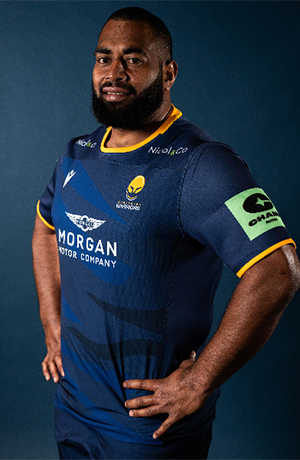
NATAVE LOOSEHEAD
10 Apr 99 1.87m, 6ft 1ins 114kgs, 17st 13lbs Fiji Drua Fiji |
Livai Natave is a Fijian rugby union player who plays for Drua in Super Rugby. His playing position is prop. He was named in the Drua development squad for the 2023 Super Rugby Pacific season. Natave is a naval officer by trade and represented Suva in the Skipper Cup. He was named in the Nadi team for 2023 season. He represented Fiji U20 between 2017 and 2019, and the Fiji Warriors in 2019. He was named in the Fijian Latui squad for the short-lived 2020 Global Rapid Rugby season, before being named as standby for the Fiji national team in July 2022. He was named to tour for the 2022 end-of-year rugby union internationals in October 2022, and made his international debut against Scotland, before winning a further cap and featuring against the Barbarians during the tour. He was then named in the Drua development squad for the 2023 season Played 16, Won 10, Tries 1, Points 0 |
|
|||
 |
SIVA POSITION
Date of Birth : Height : Weight : Previous Club : International : |
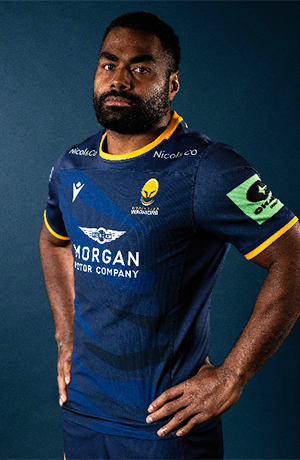
NAULAGO WING
6 Aug 91 1.84m, 6ft 1" 104kgs, 16st 5lbs Bristol .... |
Transition to Rugby League In 2019, Naulago made a significant move to rugby league, joining Hull F.C. in the Super League. His impact was immediate, scoring 17 tries in 21 appearances, including a memorable double in the 2020 season opener against Leeds Rhinos. His speed and try-scoring ability quickly made him a fan favorite. Return to Rugby Union with Bristol Bears In May 2020, Naulago transitioned back to rugby union, signing with Bristol Bears ahead of the 2020–21 season. His military background and rugby experiences made him a unique addition to the squad. Over his five seasons with the Bears, he made 45 appearances and scored 21 tries, showcasing his agility and finishing prowess on the wing. One of his standout moments was a sensational long-range try against London Irish, voted The Famous Grouse Try of the Season during the 2020/21 Gallagher Premiership. Departure from Bristol Bears At the end of the 2024–25 season, Naulago was among the 11 players announced to leave Bristol Bears. During his tenure, he became known for his electrifying pace and try-scoring ability, contributing significantly to the team's successes. Move to Worcester Warriors In September 2025, Naulago signed with Worcester Warriors for the 2025–26 season in Champ Rugby, the newly rebranded second-tier league after the club's return to professional rugby. The move represents a fresh start for the experienced winger, offering him the chance to secure more regular game time and further develop his skills in a competitive environment. Worcester welcomed him enthusiastically, highlighting his energy, work rate, and potential to strengthen their back-row options. For Naulago, it’s not just a change of club — it’s an opportunity to continue his journey, grow as a player, and make an impact in a new setting. Legacy and Impact Siva Naulago's journey from the rugby fields of Fiji to the professional arenas of rugby league and union is a testament to his resilience and adaptability. His story is one of passion, perseverance, and the pursuit of excellence, inspiring many in the rugby community and beyond. Played 7, Tries 8, Points 40 |
Siva Naulago: From Military Roots to Worcester Warriors Early Life and Military Service Born on August 6, 1991, in Nadi, Fiji, Siva Naulago's journey into rugby was unconventional. Raised in the village of Sabeto, he spent his youth working on the family cassava farm. Despite a deep interest in sports, opportunities to play rugby were limited during his childhood. His education took him to Namaka Public School, then Swami Vivekananda College, and later to Fiji National University, where he studied electronics. However, he did not complete his studies, choosing instead to leave Fiji at 18 to join the British Army. Enlisting in the 1st Battalion of the Yorkshire Regiment, Naulago served in Cyprus for two years and was later stationed in Warminster, Wiltshire. During his military service, he began playing rugby union and sevens within his regiment and represented the British Army in both formats. His performances caught the attention of professional clubs, leading to guest appearances with Bath Rugby and Saracens F.C. Sevens team, with whom he won the Premiership title in 2018. |
|||
|
|||
|
THABO POSITION
Date of Birth : Height : Weight : Previous Club : International : |
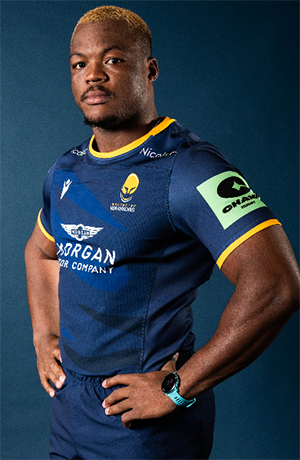
NDIMANDE OPENSIDE
27 Mar 00 1.85m, 6ft 1ins 98kgs, 15st 6lbs Griquas Junior Boks |
Flanker Thabo Ndimande is looking forward to the next chapter in his rugby career, which will take him to England. Ndimande is one of five players set to leave the Suzuki Griquas, and he will continue his journey with the Worcester Warriors. He has spent his entire professional career with the Peacock Blues, having joined them straight out of the Varsity Cup, where he represented the Shimlas. The former Griquas Forward of the Year told OFM Sport that he’s excited about what lies ahead with the English club, but he will always remain a Griqua at heart and is grateful for the platform the Kimberley-based side gave him to showcase his talent. Ndimande said being named Forward Player of the Year was a turning point in his career. “That was a life-changing moment. I had only played for half a season, so to be recognised like that really opened doors for me. It made me believe in myself even more that I can do this.” “Signing with the Warriors is a big step up for me. It’s a club with a strong history in the Premiership,” he added. “I spoke to Coach Matt and he shared his vision for the team. I immediately bought into it. I told him how excited I am to join and how I plan to give my absolute best, to win more trophies, and help get the team back into the Premiership. “For me, signing with them was a no-brainer. It’s a big club with a lot to achieve and big shoes to fill. I believe in Coach Matt’s plan, and I think he’s signing the right players to get the job done. “I’m really excited for the new challenge, and honestly, I can’t wait, I think about it every day.” Played 24, Won 15, Points 15 |
|
|||
|
OBINNA POSITION
Date of Birth : Height : Weight : Previous Club : International : |
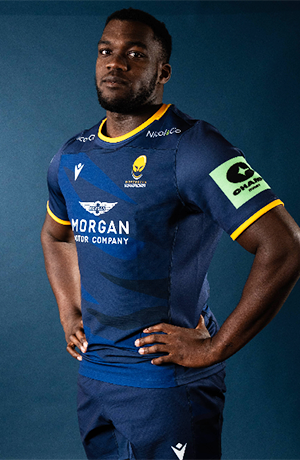
NKWOCHA LOCK
20 Dec 02 1.98m, 6ft 6ins 118kgs, 18st 8lbs Coventry Eng U18, U20 |
Nkwocha first played rugby at Brentwood School as a teenager before becoming part of Saracens’ Junior Academy. The second row then moved to Felsted School from where he was selected to play for England U18s against Scotland. n December 2017, I was selected to join Saracens Junior Academy after a trial. At this point in time, I was in school finishing my GCSEs and on the verge of starting my A-Levels. In March 2021, at 18 years old, I was offered a Senior Academy contract from Saracens to play rugby professionally. In June 2021 Nkwocha was offered a contract by Saracens immediately after leaving school and two years later he joins the Blue-and-Whites directly from the North London Club’s Senior Academy. Named in the 2023/24 RFU Championship Team of the Season—confirmed via shortlist and social media recognition. Featured regularly in RugbyPass Team of the Week selections for Coventry |
|
|||
|
WILL POSITION
Date of Birth : Height : Weight : Previous Club : International : |
REED FLYHALF
3 Nov 01 1.76m, 5ft 9ins 80kgs, 12st 8lbs Dragons England U18 U20 |
A product of the Dragons Academy, he progressed through their age-grade ranks and earned selection for Wales U20 in 2021, gaining five caps Will made his senior debut in March 2022, coming off the bench in a United Rugby Championship match against the Bulls in Pretoria . In his first season (2021–22), also excelled with Newport RFC, scoring 178 points and helping them reach the Premiership final and win the Indigo Welsh Cup—kicking 15 points in the final—and was named Newport’s Player of the Season . Over the next seasons, Reed became a regular squad member for the Dragons, totalling 50 senior appearances and 167 points by the end of 2024–25 Primarily a fly-half, with ability at full-back, Reed is an astute playmaker, tactical kicker, and a calm decision-maker under pressure. His accurate goal-kicking and on-field composure marked him out in his breakthrough campaign Played 21, Won 14, Tries 9, Points 165 |
|
|||

|
TOM POSITION
Date of Birth : Height : Weight : Previous Club : International : |
SEABROOK CENTER
15th Feb 99 1.84m, 6ft 0ins. 99kgs Northampton England U18, U20 |
Born on March 15, 1999, and developed through the Gloucester academy system, Seabrook quickly earned a reputation as a dynamic and hardworking back, equally comfortable on the wing or at outside centre. His performances at youth level caught national attention, earning him a place in the England U20 squad for the 2018 World Rugby U20 Championship, where he played alongside future internationals and showcased his ability on a global stage. At Gloucester, Seabrook developed under a system that emphasized physicality and attacking flair. While competition for places limited his starts at times, his versatility and reliability kept him firmly in the squad’s plans across multiple seasons. In 2023, Seabrook made a significant career move, signing with Northampton Saints. The transfer offered a fresh environment and a new style of play – one that emphasized tempo, creativity, and ball movement. For Seabrook, it was an ideal fit. Since joining the Saints, he has steadily worked his way into the matchday squad, bringing experience and energy to a backline already stacked with talent. Though not always the headline name, his consistency and adaptability have made him a valuable asset to the club's ambitions in both the Premiership and European competitions. Still only in his mid-20s, Tom Seabrook's story is far from over. He remains a player with untapped potential – a one-time record-breaker now striving to become a mainstay in one of English rugby’s most exciting teams. Played 11, Won 7, Tries 2, Points 10 |
From Record-Breaker to Rising Saint When Tom Seabrook crossed the whitewash just 58 seconds into his Premiership debut for Gloucester Rugby in May 2018, few would have guessed they were witnessing history. The then 19-year-old not only introduced himself to the league in spectacular fashion – he also set a new record for the fastest try on debut in Premiership Rugby history. It was a moment that encapsulated what Seabrook had to offer: instinct, pace, and an eye for opportunity. |
|||
|
|||
.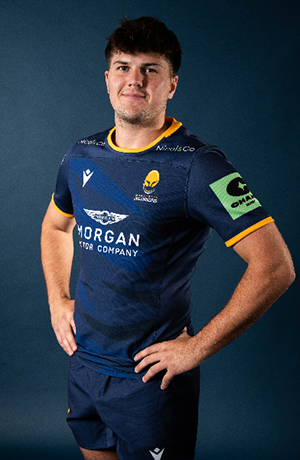
|
JAMES POSITION
Date of Birth : Height : Weight : Previous Club : International : |
SHORT CENTER
31 May 05 1.81m, 5ft 11ins 88kgs, 13st 11lbs Bath. . |
Coming through Bath Rugby-affiliated school Beechen Cliff, James Short plays at centre and featured heavily throughout Bath Rugby U18's 2022/23 season, which included a six-game winning streak. James' strong footwork and quick acceleration will lend itself to the powerful ball carriers in the Bath Rugby Academy. Frem Keynsham Rugby: Huge well done to James Short who is on the senior team-sheet at Bath for the first of many times James played his Minis and Juniors rugby at the crown fields go well James A week after helping the University of Bath win the Anniversary Game, student rugby James Short has been helping England prepare for their Rugby World Cup bronze-medal match against Argentina. Centre Short was invited to train with University of Bath graduate and Hall of Fame for Sport inductee Steve Borthwick’s squad ahead of their last match of the competition in France. “This has been a quality experience,” said Short. “I’ve loved meeting the lads and learning from them on and off the pitch". Played 17, Won 10, Tries 6, Points 30 |
|
|||
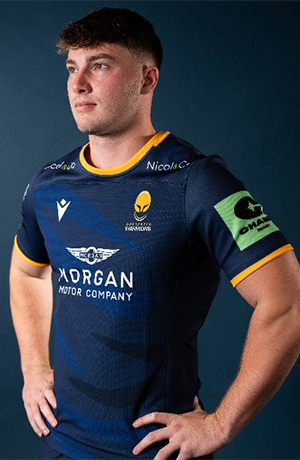
|
RORY POSITION
Date of Birth : Height : Weight : Previous Club : International : |
TAYLOR CENTER
31 Oct 04 1.85m, 6ft 1ins 92kgs, 14st 6lbs GLOUCESTER Eng U20 |
A product of Wellington College, he came through the London Irish academy and was part of their England under‑18 programme in 2022, featuring in the summer tour of South Africa . Age‑Grade & International History He claimed the starting fly‑half spot in England U‑18s, converting a late penalty in a 36‑34 win over South Africa A in Paarl . Advanced to England U20, featuring as a fly‑half in the 2024 U20 Six Nations. Represented England in several U20 matches After London Irish’s liquidation in mid‑2023, he joined Gloucester Rugby, integrating into life at Kingsholm . Used mainly at fly‑half and occasionally inside centre, Rory has made several appearances in European Challenge Cup and Premiership fixtures, debuting professionally in September 2023 against Nottingham . Recent statistics in the Challenge Cup show active involvement with carries, tackles, kicks, and scoring 2 points across two ties In the 2024 U20 Six Nations, he recorded 144 minutes of game-time, scoring 7 points, making 9 tackles, 15 kicks from hand, and narrowly maintaining a 50% goal-kicking success . Challenge Cup data shows he posted 316 metres gained, 45 tackles, 11 dominant carries, and 66 points during the 2024/25 campaign . Described as a thoughtful playmaker with strong distribution skills, tactical kicking ability, and defensive work rate. Played 14, Points 5, Tries 1 |
|
|||
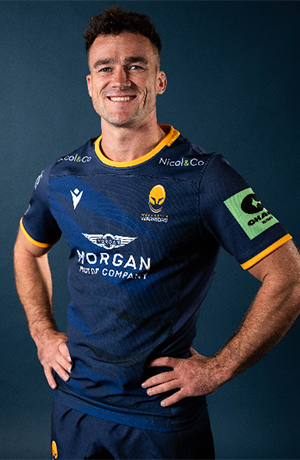
|
WILL POSITION
Date of Birth : Height : Weight : Previous Club : International : |
TREWIN FULLBACK
2 May 99 1.8m, 5ft 11ins 90kgs, 14st 2lbs Pirates Cornwall |
He started playing rugby at Helston RFC, progressed through Truro College under coach Will Davies, and also represented Cardiff Met UniversityPlayed senior club rugby with Redruth before moving on to Exeter Chiefs U‑23s Comes from a sporting family: his father coached Helston RFC and played cricket; brother Freddy won Cornwall U20s, brother Jamie surfs and plays rugby; sister Bryher is a gig rower Known for his versatility, covering both full‑back and wing, and earned a nomination to the Championship Clubs’ Team of the Season in 2023. Man‑of‑the‑match performer in cup games; scored four tries in the early rounds of the Premiership Rugby Cup “Will was a raw talent when he joined from Redruth, but he was quick to learn and during his time with us has developed into a very fine player. “He is also a great character off the field – and a great singer – whose Cornish roots have had an influence on the team, and although he’ll be missed, we wish him all the best.” Played 19, Won 11, Tries , Points 45 |
|
|||
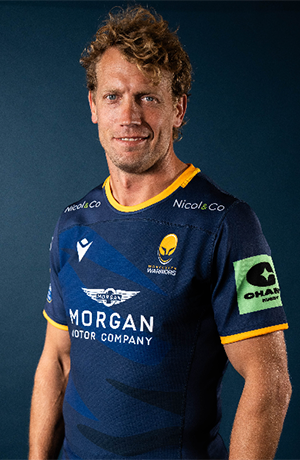
|
BILLY POSITION
Date of Birth : Height : Weight : Previous Club : International : |
TWELVETREES CENTER
15 Nov 88 1.93m, 6ft 4ins 103kgs, 16st 3lbs GLOUCESTER England, B&I Lions |
At Gloucester, he regularly played at inside centre but also covered fly-half when needed, operating as a second playmaker in attack-heavy systems. His blend of tactical kicking, distribution, and physical carrying made him one of the most complete midfielders in the Premiership during his peak. He also captained the club and became one of its most respected long-serving professionals. England and international recognition Between 2013 and 2015, Twelvetrees earned 22 caps for the England national rugby union team. He was seen as a hybrid midfielder capable of playing both 10 and 12 at international level. His skill set earned him selection for the 2013 British & Irish Lions tour to Australia as injury cover, highlighting how highly he was regarded during his peak years. While his England career was relatively short, it cemented his reputation as a high-level playmaking centre. After leaving Gloucester in 2023, Twelvetrees joined Ealing Trailfinders, bringing experience and control to one of the Championship’s strongest squads. He played a key leadership role before initially stepping away from professional rugby. Twelvetrees returned to professional rugby with Worcester Warriors during their rebuild, taking on a dual role as player and attack coach. The move reflected both his experience and rugby intelligence, with the club valuing him not only as a performer but also as a strategist. At Worcester, he has primarily played at inside centre, where his strengths as a second playmaker and organiser are most effective. Operating in midfield allows him to control tempo, link forwards and backs, and direct attacking shape — all while contributing defensively in one of the most physically demanding positions. Alongside playing, he serves as attack coach, helping to structure Worcester’s offensive systems, guide younger players, and bring clarity to decision-making under pressure. His presence bridges the gap between senior leadership and tactical coaching on the field. At 38, Twelvetrees is one of the oldest active English backs in professional rugby. Very few inside centres in the professional era have continued playing at this level into their late thirties, particularly while also holding a coaching position. His continued selection reflects not just fitness and durability, but the value of his rugby IQ — particularly in midfield, where organisation and decision-making are as important as physical output. Twelvetrees’ career is defined less by fleeting stardom and more by sustained excellence. From Leicester prospect to Gloucester stalwart, England international, and now Worcester leader-coach, he represents the archetype of the modern professional who evolves with the game. At Worcester, his influence now extends beyond his own performances. As both inside centre and attack coach, he is actively shaping the next phase of the club’s identity — still wearing “36,” still directing play, and still contributing at a level few would have expected at 38. Played 15, Points 48, Tries 3, Con 15, Pen 1 |
1. Billy Twelvetrees: Veteran inside centre and attack coach at Worcester Warriors Few English rugby players have built a career as durable and quietly influential as Billy Twelvetrees. At 38 years old, he is now in the rare position of combining on-field duties at inside centre with a coaching role, shaping Worcester Warriors both as a player and as their attack coach. His story is one of adaptability: a fly-half turned inside centre, an England international, a long-serving Gloucester leader, and now a senior figure guiding a rebuilding Worcester side. Early career and rise to professional rugby Twelvetrees emerged through the Leicester Tigers system, initially developed as a fly-half with strong distribution and kicking skills. Early loan spells at Bedford Blues helped him refine his game management and physicality, setting the foundation for a move that would define his career. While at Leicester Tigers, he transitioned between fly-half and inside centre, showcasing the versatility that would later become his hallmark in the professional era. Gloucester years: establishing himself as “36” His move to Gloucester Rugby in 2012 marked the turning point in his career. At Kingsholm, Twelvetrees became a central figure in the backline for over a decade, making more than 250 appearances and often acting as a key decision-maker in midfield. It was here that his nickname “36” became iconic across English rugby — a simple reversal of his surname that stuck with fans, teammates, and commentators alike. |
|||
|
|||
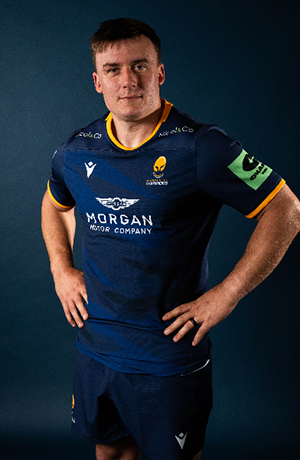
|
JAMES POSITION
Date of Birth : Height : Weight : Previous Club : International : |
TYAS LOCK
12 Nov 01 1.94, 6ft 4ins 120kgs, 18st 12lbs Coventry .... |
“Joining Coventry has been a big game-changer for me,” he says, “as before arriving here I was losing my love for the game. “After a spell with Wakefield Trinity in rugby league during COVID I wasn’t sure which code I should be playing and was struggling to settle, but I have loved every second of the two-and-a-half seasons at Cov. “I drive an hour each way from Bicester for training but I am so enthusiastic to make that journey and to keep on playing at Coventry. “I have a big smile on my face all the time, after all who wouldn’t want to play in front of the brilliant fans at the BPA and in big games like the one coming up against the Pirates? “My wife despairs when I say I have another five or six years of playing in me but if I continue looking after my body I believe that is possible. I have played 161 Championship games in total and would love to get to 200 and to 100 Cov games.” Tyas explains that his journey to running Pro View, a company that provides detailed analytical breakdown of rugby matches to more than 100 clubs, began through chance. Thanks to the support he receives from Coventry chief executive Nick Johnston and head coach Alex Rae he believes it dovetails well with his onfield role at the BPA. He says: “In 2016 while I was at Worcester I had a 16-month period out with a patella tendon injury. I was always the last player to leave the computers after analysis sessions and Dean Ryan encouraged me to get involved with it. “During the season that the Warriors won the Championship I became one of their assistant analysts before my first role as a player-analyst then came at London Scottish. “At Coventry I work with the coaches all week to provide information that helps them put a game-plan together and it’s really good to then see it put in practice on the pitch. “The player-analyst doesn’t work in every environment but Alex Rae and the club have really backed me. Ed Barker has worked with me as our lead analyst for the last two years and he has been brilliant – without his efforts playing alongside doing the club’s analysis would be difficult. Played 13, Won 8, Tries 4, Points 20. |
Here’s one for the rugby union anoraks. Name the Scottish under-20 international who also played for England, was a lineout specialist who almost played in a rugby league World Cup then as a veteran 6ft 4, 18-stone second-row employed a personal sprint coach? James Tyas, in his third season with the blue-and-whites, the popular forward will this weekend lead out the team in front of a Butts Park Arena crowd swelled by the presence of around 15 of those friends and family. Having previously played 51 games for last Saturday’s opponents London Scottish and 49 for Chinnor the man who combines organising Cov’s lineout with doing their detailed preparatory analysis is in familiar territory – and he’s loving it. |
|||
|
|||
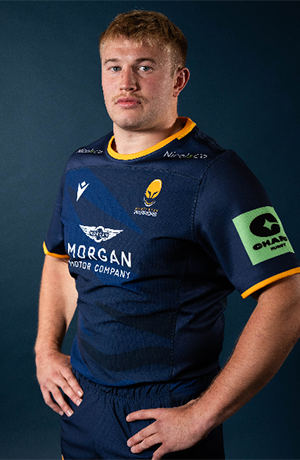
|
ARCHIE POSITION
Date of Birth : Height : Weight : Previous Club : International : |
VANES HOOKER
16 Sep 01 1.83m, 6ft 0ins 105kgs, 16st 7lbs Leicester England U18 U20 |
Progressed through the Tigers Academy, debuting in the Premiership Rugby Cup on 13 Nov 2021 against Sale Sharks . Accumulated 18 senior appearances, registering 50 points—notably scoring four tries in the 2023–24 season . Made a spectacular European debut on 17 Dec 2023 in the Champions Cup, becoming the first Leicester player to score a hat‑trick on his European debut in a 27‑24 win over Stade Français Gained valuable experience with Nottingham (2021–23, 22 apps, 25 points) and a stint at Cambridge in 2024 (5 apps, 10 points) Originally played back‑row before transitioning to hooker, bringing athleticism and mobility to the front‑row ultimaterugby.com . Known for strong line-out throwing, robust scrummaging, active involvement around the breakdown, and an added attacking edge evident in his Champions Cup debut Archie will arrive at Worcester with both Premiership and European experience. His scrummaging ability, line-out accuracy, and dynamic play style should make him a key piece in our hooker rotation. Expect more growth as he takes on a bigger role in a rebuilding Warriors squad. Played 10, Points 15, Tries 3 |
Born on 16 September 2001 in Burton‑on‑Trent, England . Began playing at Melbourne RFC, later moved to Ashby RFC, showcasing early leadership and promise Selected for England U18 in 2019, following strong academy performances for Leicester Tigers. Earned four caps for England U20 in 2021, participating in the U20 Six Nations |
|||
|
|||
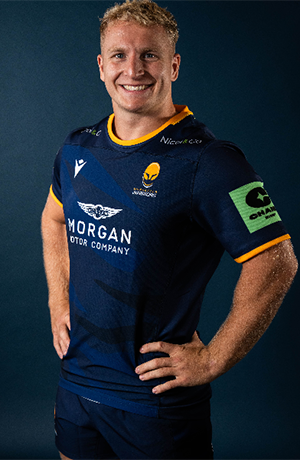 |
AUSTIN POSITION
Date of Birth : Height : Weight : Previous Club : International : |
WALLIS HOOKER
13 Dec 99 1.85, 6ft 1" 110kgs, 17st 4lbs London Scottish .... |
Transition to London Scottish and Player of the YearIn August 2022, Wallis joined London Scottish for the 2022/23 season. Initially playing in the back row, he made a significant transition to hooker. Wallis impressed teammates, coaches, and fans alike with his carrying ability, culminating in a try against Harlequins during a pre-season match. His outstanding performances throughout the season were recognized when he was awarded London Scottish Player of the Year, a testament to his influence on the field, consistency, and professionalism. Director of Rugby Bryan Redpath praised Wallis’s work ethic and technical ability, highlighting his critical role in the team’s forward pack. He also worked closely with Premiership legend Joe Gray to refine his skills, showcasing dedication to continuous improvement. Move to Worcester WarriorsIn September 2025, Wallis signed with Worcester Warriors for the 2025/26 season. The club welcomed his arrival with enthusiasm, emphasizing his powerful presence in the front row and leadership qualities on the pitch. Wallis’s addition is seen as a strategic move to strengthen the Warriors’ pack as they return to professional rugby in the newly rebranded Champ Rugby league. Looking AheadAustin Wallis’s journey from back row to award-winning hooker exemplifies adaptability, perseverance, and excellence. His Player of the Year accolade at London Scottish reflects not only his on-field prowess but also his commitment to professional development. As he begins his tenure with Worcester Warriors, Wallis brings experience, leadership, and a winning mindset, aiming to make a significant impact in the Championship. Fans and teammates alike will be watching closely as he continues to grow, inspire, and lead in this next chapter of his rugby career. Played 21, Points 35, Tries 7 |
Austin Wallis: From Back Row to Hooker – A Journey to Worcester WarriorsEarly Life and Rugby BeginningsAustin Wallis was born on December 13, 1999, in England. Standing at 1.81 meters (5 feet 11 inches) and weighing 106 kilograms (234 pounds), Wallis initially played in the back row before transitioning to the hooker position. His rugby journey began at the grassroots level, where he developed a strong foundation in the sport, demonstrating early signs of leadership and tenacity. |
|||
|
|||
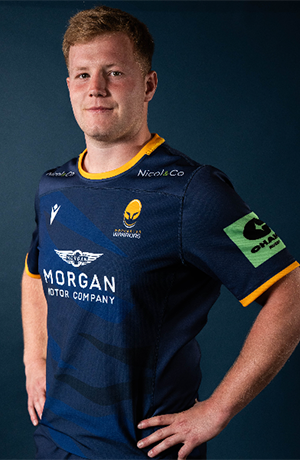
|
GEORGE POSITION
Date of Birth : Height : Weight : Previous Club : International : |
YOUNG FLANKER
10 Oct 2001 1.92m, 6ft 4ins 110kgs, 17st 5lb Newport Dragons Wales U20 |
Tall, rangy, and strong at 192 cm and 108 kg, he looks every bit the modern back-row forward: mobile in open play, physical at the breakdown, and eager to put in the hard yards that often go unseen by the casual spectator. The Debut Dream George’s senior breakthrough came in February 2022, when he stepped off the bench against Ulster in the United Rugby Championship. The night was cold, wet, and wild — hardly the stage a young player dreams of — but in many ways, it was perfect. He threw himself into tackles, hunted rucks, and made sure the occasion would be remembered not for the result, but for the moment: his first taste of professional rugby. Learning His Trade What sets George apart is not just his physical build, but his attitude. He has spoken of his debut as “unforgettable,” not because it was easy, but because it was demanding. Each match since has been a classroom, each training session an examination of patience, hunger, and resilience. His first senior try, scored in December 2023 against Section Paloise in the European Challenge Cup, was a milestone that felt like a reward for persistence. In rugby, tries are moments of glory, but for flankers like George, the real work is in the grind: the tackles that stop momentum, the turnovers that shift possession, the support lines that create opportunity. A New Chapter at Worcester Warriors Following the conclusion of the 2024–25 season, George Young left the Dragons and joined Worcester Warriors for the 2025–26 season in Champ Rugby. The move represents a fresh start for the young flanker, offering him the chance to secure more regular game time and further develop his skills in a competitive environment. Worcester welcomed him enthusiastically, highlighting his energy, work rate, and potential to strengthen their back-row options. For George, it’s not just a change of club — it’s an opportunity to continue his journey, grow as a player, and make an impact in a new setting. Played 2 |
George Young: A Local Lad with a Dragon’s Spirit The afternoon light in Newport has a way of casting the Rodney Parade turf in a golden hue. It’s here, in the city of his birth, that George Young first chased the oval ball as a boy — and it’s here he grew into a professional flanker for the Dragons, carrying both promise and pride each time he laced up his boots. Born on 10 October 2001, Young is rugby through and through. His father, Robert Young, once wore the black and amber of Newport RFC, and George inherited not just the name, but the grit that comes with it. |
|||
|
|||
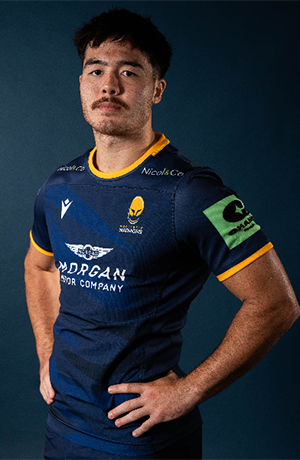 |
ROMA POSITION
Date of Birth : Height : Weight : Previous Club : International : |
ZHENG WING
18 Oct 01 1.86m, 6ft 1ins 99kgs, 15st 8lbs Harlequins England Students |
Zheng became a regular starter in the Championship, scoring five tries in 17 appearances while building a reputation as one of the league’s most dangerous attacking backs. That form attracted the attention of Worcester Warriors, who signed Zheng as part of the club’s ambitious rebuild following their return to professional rugby in 2025. Worcester’s revival was one of the biggest stories in English rugby, with the club returning to Championship competition after more than two years away from the professional game. Since arriving at Sixways, Zheng has quickly become part of the new-look Warriors squad under head coach Matt Everard. Coaches and supporters alike have been impressed by his explosive running style, ability to beat defenders, and attacking instincts out wide. Everard himself described Zheng as: “Fast, balanced and very explosive,” while praising his ability to cause “big headaches” for opposing defences. This season, Zheng has already contributed important moments during Worcester’s impressive return campaign. One standout performance came during Warriors’ sixth consecutive league victory against Richmond, where Zheng crossed for a crucial first-half try in front of the Sixways crowd. His performances have helped Worcester establish themselves as one of the strongest teams in the newly reformed Champ Rugby competition during their comeback season. The club’s attacking style has suited Zheng perfectly, allowing him to showcase: Powerful ball carrying Strong finishing ability Aggressive defence Quick footwork in broken play Versatility across the back three More importantly, Zheng has become part of the wider story surrounding Worcester Warriors’ resurgence. After the club’s collapse in 2022, supporters were desperate for players who would embrace the challenge of rebuilding the Warriors identity — and Zheng has emerged as one of the young talents helping drive that new chapter forward. Internationally, Zheng has also represented England Students after being selected during his time at Cardiff Met, adding representative honours to his growing rugby résumé. At just 24 years old, Roma Zheng is still developing, but this season has shown exactly why Worcester Warriors invested in him. With his athleticism, confidence and attacking threat, Zheng looks capable of becoming one of the standout backs in Worcester’s next generation — and perhaps one of the key players in the club’s journey back towards the Premiership. Played 11, Points 40, Tries 8 |
Roma Zheng: Worcester’s Explosive New Wing Making His Mark at Sixways Every rugby club needs players capable of changing a game in a single moment. Pace, power, footwork and confidence are qualities that can lift supporters from their seats — and Roma Zheng has quickly developed a reputation for bringing exactly that kind of excitement. Now part of Worcester Warriors’ new era, Zheng has become one of the exciting faces of the club’s return to professional rugby. Born in Warrington in 2001, Zheng’s rugby journey began at Warrington RUFC before he entered the Sale Sharks pathway system as a teenager. After being released at under-18 level, he rebuilt his career through university rugby at Cardiff Metropolitan University — a move that ultimately transformed his future. At Cardiff Met, Zheng became one of the standout attacking players in BUCS Super Rugby. Across his first two seasons, he scored 21 tries and beat an incredible 175 defenders, establishing himself as one of the most dangerous runners in university rugby. Those performances earned him an academy contract with Harlequins in 2023, and he immediately announced himself in senior rugby by scoring on his debut during a Premiership Rugby Cup victory over Hartpury University. A loan move to London Scottish during the 2024–25 season proved another major step in his development. |
|||
|
|||
| MATT EVERARD | ||
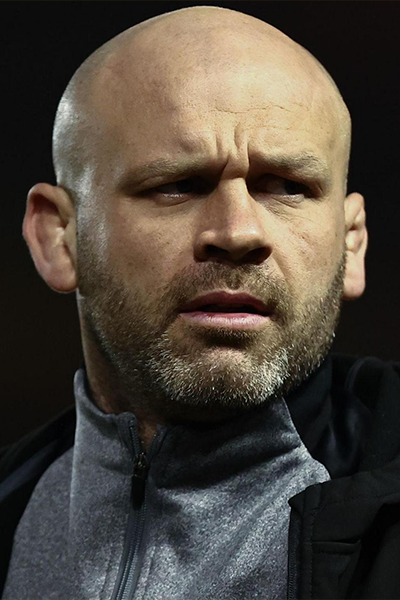
|
Born on a crisp January day in 1991 in Leicester, Matt Everard grew up immersed in rugby’s rhythms. Raised in Lutterworth, he was never far from a ball, a tackle bag, or a muddy pitch. His early promise was obvious — at Loughborough Grammar School and with Lutterworth RFC, he emerged not only as a tenacious back-row player but a natural leader. By his teens, he captained Midlands U16 and U18 sides and was proudly pulling on the white shirt for England at U18 and U19 level. His professional journey began with the club nearest his heart — Leicester Tigers. He progressed through their academy, making his senior debut in 2009. Though the competition for back-row places was fierce, he proved himself in the Premiership A-League, helping Leicester win titles in 2010 and 2011. |
In 2017, aged just 26, Everard retired from playing. The decision wasn’t forced by injury, but guided by instinct. He had something to offer beyond the pitch. Returning to Wasps, he became an academy coach and later a transition coach, bridging the gap for young players stepping into the senior arena. His influence grew; he helped shape futures, not just win games. In 2022, he came full circle — back to Leicester Tigers. First, as Senior Academy Coach, and then stepping into the senior team as Defence Coach. During a challenging period for the club, he provided steadiness and drive. But in early 2025, amid another reshuffle, he stepped down. |
But it was with Wasps, who he joined in 2011, that he found a consistent place on the professional stage. Over three seasons, Everard played with the kind of relentless energy and quiet leadership that endeared him to teammates and fans alike. Still, in 2014, with opportunities narrowing, he made a bold decision — to move to the Championship with Nottingham Rugby. That move would define the next phase of his life. Not just a player now, but a captain, a mentor, a thinker. He led from the front — week in, week out — in one of the most physically demanding leagues in world rugby. And while he was still young by professional standards, the seeds of his next passion were already sprouting: coaching. |
Then came a new chapter — one that felt earned. In May 2025, Matt Everard was named Head Coach of Worcester Warriors, newly restored to the RFU Championship. Tasked with rebuilding a proud club from the ground up, he embraced the opportunity not as a challenge but as a calling. Blending seasoned professionals with hungry youngsters, he set about shaping a team with identity, hunger, and purpose. |
|
| BILLY TWELVETREES | ||
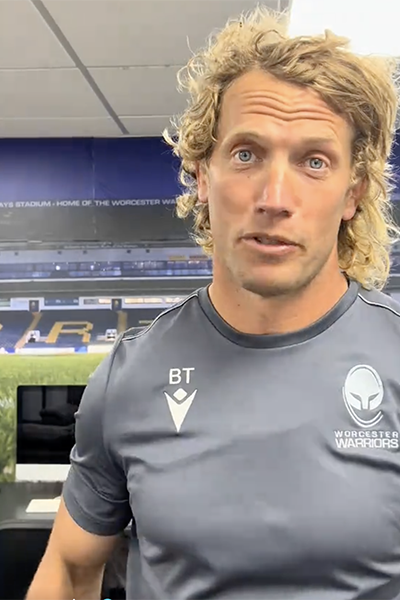
|
2. The Rise of a Craftsman Twelvetrees’ early professional journey saw him develop into a uniquely rounded centre. Comfortable at both inside and outside centre, and even capable at fly-half, his game was built on distribution, tactical kicking, and defensive organisation. He first caught wider attention during his time with Bedford Blues before stepping into Premiership rugby, eventually becoming a cornerstone at Gloucester Rugby. At Gloucester, Twelvetrees became far more than just a dependable backline option. He evolved into a leader—on and off the pitch. His ability to read the game, manage tempo, and bring others into play made him a coach’s ally and a teammate’s safety net. Over the years, he amassed hundreds of appearances for the club, contributing not only with points but with structure and stability. |
3. England Honours and International Impact Consistency at club level earned Twelvetrees international recognition with the England national rugby union team. Between 2013 and 2015, he was a regular feature in England’s midfield, earning caps in the Six Nations and beyond. While his England career coincided with a period of experimentation in midfield combinations, Twelvetrees brought a calming influence. His distribution skills and tactical awareness complemented more direct runners, offering balance in a side searching for identity. Though his international tenure was relatively brief, it reflected the trust coaches placed in his rugby intellect. |
4. Leadership at Gloucester Back at Gloucester, Twelvetrees’ role deepened. He became one of the club’s senior figures, mentoring younger players while maintaining high personal standards. His leadership style wasn’t built on volume but on clarity—organising defensive lines, guiding attacking shapes, and ensuring cohesion. Even as the Premiership grew faster and more physically demanding, Twelvetrees adapted. His game matured, relying less on raw athleticism and more on positioning, timing, and decision-making. It’s no coincidence that these are the same traits often found in effective coaches. |
5. Transition into Coaching As his playing career began to wind down, Twelvetrees naturally gravitated toward coaching. His deep understanding of backline play and communication made him an obvious candidate for a mentoring role. Unlike some players who stumble into coaching late, Twelvetrees had long been operating as a de facto on-field coach. His move into coaching became more formal in recent seasons, where he began taking on responsibilities that extended beyond playing—working with younger backs, refining attacking structures, and contributing to game planning. |
|
1. Billy Twelvetrees: The Thinking Centre Who Bridged Two Eras of English Rugby There’s a certain type of rugby player who never quite fits the loudest narratives of the sport—never the flashiest, never the most controversial, but quietly indispensable. Billy Twelvetrees has long belonged to that category. Over more than a decade at the top level, “36” carved out a career defined by intelligence, versatility, and resilience—qualities that would later shape his natural transition into coaching. |
6. Worcester Warriors: Playing, Coaching, and Rebuilding The most recent chapter of Twelvetrees’ career has been closely tied to Worcester Warriors, a club that has faced significant upheaval in recent years. During this season, his role has been particularly interesting—not just as a player, but as a figure helping to stabilise and rebuild. At Worcester, Twelvetrees has effectively balanced dual responsibilities. On the field, he has provided experience and composure in a squad often needing direction. Off the field, he has contributed to coaching efforts, working closely with players to develop structure and confidence in challenging circumstances. This hybrid role reflects a broader trend in rugby, where experienced players transition gradually into coaching rather than making a clean break. For Worcester, having someone with Twelvetrees’ experience—both Premiership-hardened and internationally capped—has been invaluable during a period of uncertainty. |
7. More Than Caps and Appearances Billy Twelvetrees may never have dominated headlines, but his influence on English rugby is undeniable. He represents a class of player whose value is measured not just in tries or trophies, but in cohesion, leadership, and adaptability. Now stepping into coaching, he carries forward those same qualities. If his playing career was about making others better around him, his coaching path seems set to follow the same principle. And in a sport that increasingly values clarity of thought as much as physical power, Twelvetrees’ second act might prove just as impactful as his first. |
| JOE LAUNCHBURY | ||
|
1. An England Great Returns to Shape Worcester Warriors' Future Worcester Warriors have made a landmark appointment with the arrival of Joe Launchbury as Head of Academy, bringing one of English rugby's most respected figures into a role that will help shape the next generation of Warriors talent. Few players in the modern era have combined elite performance, leadership and professionalism quite like Launchbury. Following a distinguished playing career spanning 17 years, the former England international now begins an exciting new chapter at Sixways, tasked with developing the stars of tomorrow. From Devon to the International Stage Born in Exeter, Launchbury's rugby journey began in the South West before progressing through the Harlequins academy system as a teenager. Although initially released, his determination and resilience would become defining characteristics of an outstanding career. After impressing with Worthing Raiders, he earned an opportunity with Wasps and quickly established himself as one of the brightest young forwards in English rugby. His rise was rapid, and within a matter of seasons he had developed into one of the Premiership's premier second rows |
2. A Wasps Legend Launchbury's name became synonymous with Wasps Rugby. Making his senior debut in 2011, he would go on to spend more than a decade with the club, becoming one of the most influential players of his generation. His combination of athleticism, work rate, lineout expertise and leadership made him a cornerstone of the Wasps pack. His performances earned widespread recognition throughout the game, including the Premiership Young Player of the Season award and numerous individual accolades as he developed into one of England's leading forwards. He later captained Wasps and became a key figure both on and off the field. Across more than 130 appearances for the club, Launchbury established a reputation as one of the Premiership's most consistent performers and a player who embodied the values of professionalism and commitment. England Career One of the Nation's Finest Locks Launchbury's club form soon translated onto the international stage. Making his England debut in 2012, he quickly became a fixture in the national side and was widely regarded as one of the best young locks in world rugby. His impact was immediate, earning him England Player of the Year honours in his first full season of international rugby. Over the course of his Test career, Launchbury won 70 England caps and played a central role during one of the country's most successful modern eras. |
England Career He helped England secure three Six Nations titles and was a member of the Grand Slam-winning squad of 2016. His performances against some of world rugby's biggest nations earned admiration across the game, with his tireless work rate, physicality and leadership making him a mainstay of the England pack for almost a decade. Overcoming Adversity Like many elite athletes, Launchbury's career was not without challenges. Injuries interrupted several seasons, yet his resilience repeatedly saw him return to perform at the highest level. His professionalism and commitment during these periods further enhanced his standing within the game. The collapse of Wasps in 2022 marked another major challenge. Following the club's administration, Launchbury moved to Japan with Toyota Verblitz before returning to England to rejoin Harlequins, the club where his professional journey had first begun.
|
Full Circle at Harlequins Joining Harlequins ahead of the 2023/24 season, Launchbury brought experience and leadership to a talented squad. His return represented a full-circle moment after first spending time in the club's academy as a youngster. Over three seasons at The Stoop he continued to demonstrate the qualities that had made him one of English rugby's most admired professionals before announcing his retirement from playing in 2026. Why Worcester Warriors Matters For Worcester Warriors, the appointment of Joe Launchbury as Head of Academy is about far more than reputation. It is the acquisition of a rugby mind shaped by elite environments, international success and exceptional standards. Having experienced academy rugby, Premiership rugby, international rugby and professional rugby overseas, Launchbury possesses a unique understanding of the pathway young players must navigate to reach the highest level. His experience as a player who overcame setbacks, earned his opportunities and developed into an England international makes him an ideal mentor for aspiring professionals. |
Building the Next Generation As Worcester Warriors continue to rebuild and strengthen their foundations, the academy system will play a crucial role in the club's future success. Launchbury arrives with a deep understanding of player development, leadership and high-performance environments. Few individuals are better placed to guide young athletes through the demands of modern professional rugby. His appointment sends a clear message about Worcester's ambitions—not only to compete today, but to create a sustainable pathway for tomorrow. A New Chapter Begins Joe Launchbury's playing career places him among the most respected forwards of his generation. A Wasps legend, England international, Premiership captain and three-time Six Nations champion, he leaves the game with an outstanding legacy. Now, as Head of Academy at Worcester Warriors, his focus turns to developing future talent and helping build the next successful era at Sixways. For Warriors supporters, it is an appointment that combines credibility, experience and vision. For young players entering the academy system, it is an opportunity to learn from one of England rugby's finest professionals. The next chapter of Joe Launchbury's rugby story may be away from the playing field, but its impact on Worcester Warriors could be just as significant. |
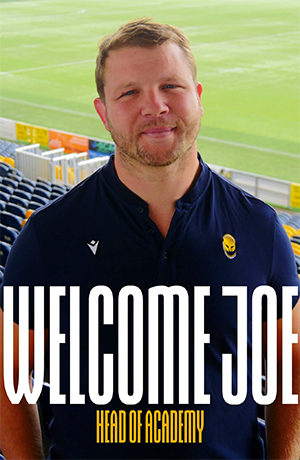
| TOM CRUSE | ||
Tom Cruse’s rugby story doesn’t start at a famous school or academy. It begins on the fields of Stockport RUFC, where he first packed down as a teenager in the front row. Born on 30 March 1989 in Greater Manchester, Tom’s route to the top was never straightforward — but perhaps that’s what makes it remarkable. |
Unlike many of his Premiership peers, Cruse didn’t make an early leap into elite rugby. He was a late bloomer — a product of sheer effort, not fast-tracked potential. His early break came with a short stint at Sale Sharks, but it wasn’t until he joined Rotherham Titans in the Championship that his game really took off. At Rotherham, Tom found his stride. He combined solid set-piece work with surprising mobility and attacking instincts. Across two seasons, he played 44 times and scored 11 tries — a rare stat for a hooker. By 2015, he was named in the Championship Dream Team, and Premiership clubs began to take notice. That summer, Cruse signed with London Irish. But his stay was brief. Within months, Wasps came calling — a club on the rise, in need of a dynamic hooker. It would become the defining chapter of his playing career. |
Then came a chance to return to the Premiership with Northampton Saints — and he seized it. At Saints, he proved his value once more. Though in the twilight of his playing days, he was trusted in big matches — even starting in a Premiership semi-final. He scored on his Saints debut and quickly became a mentor figure in the pack. By 2024, at age 35, Cruse decided to retire. Not out of necessity, but with clarity. He’d taken an “unconventional route,” debuting in the Premiership at 25 after starting as an amateur. He was proud of it. So were the fans and coaches who’d watched him quietly become a glue player — the kind every team needs, but not every stat sheet shows. But retirement wasn’t the end. It was the start of something new. While still playing, Tom had begun coaching at Chinnor RFC, helping them rise into the Championship. Coaching lit a fire in him — not just tactics and drills, but culture, connection, player growth. |
For the next six seasons, Cruse became a Wasps mainstay. He made over 100 appearances, scored 21 tries, and was known as much for his leadership as for his work around the park. In 2017–18, he was named Players’ Player of the Season, a tribute to the respect he commanded among teammates. Whether carrying hard in open play or anchoring a maul, Cruse was dependable, durable, and often underrated. But rugby can be cruel. In 2022, Wasps entered administration and the squad was disbanded. Cruse, like so many others, had to adapt. He joined Edinburgh Rugby on a short-term deal, offering experience and stability in the URC. |
In 2024, he moved full-time into coaching with Bedford Blues, becoming their Forwards Coach and guiding the next generation with the same quiet authority that had marked his playing days. Then in 2025, Cruse joined Worcester Warriors as Assistant Coach, working alongside his former teammate and new Head Coach, Matt Everard. The task ahead was clear: rebuild a fallen club, develop talent, and create a side worthy of the badge. From grassroots beginnings to Premiership battles, from late-bloomer to coach, Tom Cruse’s journey has never followed the easy path. But every step has been earned. And as he now shapes forwards rather than scrums down among them, his love of the game — honest, grounded, relentless — continues to shine. |
|
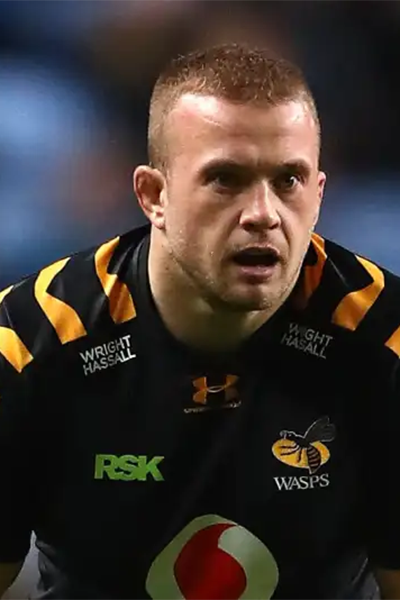
| WILL CUSACK | ||
In elite rugby, not every hero is found under stadium lights. Some shape victories in the weight room, the conditioning track, and the unseen early hours. Will Cusack is one of those figures — a man whose craft isn’t scoring tries, but building the bodies that can. |
Born with a passion for performance, Will didn’t take the conventional route through rugby. Instead, he built his career by getting players ready — physically, mentally, and professionally — for what the game would demand of them. His journey began in Wales, where he immersed himself in strength and conditioning roles across top development pathways. At the Cardiff Blues Academy and with the Wales U18s and 7s, he learned what it takes to prepare raw talent for elite stages. He wasn’t just pushing players through sets and reps — he was refining movement, unlocking potential, teaching resilience. His work soon earned him the role of Lead S&C Coach at RGC North Wales (RGC 1404), where he led regional performance strategies for a fast-developing programme with national ambitions. |
In May 2025, his next challenge arrived — one steeped in purpose. Worcester Warriors, freshly reformed and returning to the Championship, were building a new identity. At the heart of that rebuild, Head Coach Matt Everard knew he needed more than just athletes — he needed a culture. And for that, he turned to Will Cusack. Appointed Head of Strength & Power Conditioning, Cusack joined Worcester as part of a carefully assembled leadership team. His mission: craft a squad that could endure, dominate, and grow — not just for this season, but for years to come. Everard called him a “diamond” — someone who could energise players, staff, and systems alike. |
From there, the offers came quickly. Cusack spent time embedded with Leicester Tigers, Hartpury College, and the Welsh Rugby Union, working across club and international setups. These roles broadened his scope and deepened his influence, from age-grade hopefuls to seasoned professionals. Wherever he went, he brought intensity, energy, and a total focus on detail. His philosophy was simple: you can’t fake preparation. In Cusack’s world, performance isn’t luck — it’s repetition, science, and belief. Players under his care didn’t just get stronger — they became more durable, more confident, more able to meet the chaos of rugby with calm control. |
As pre-season began at Sixways Stadium, Cusack’s influence was immediate. Players spoke of sessions that were punishing but purposeful. Gym culture shifted. Fitness tests were reimagined. And slowly, the bones of a new Worcester took shape — not just leaner and faster, but tougher, smarter, harder to break. Will Cusack’s story isn’t about trophies or fanfare. It’s about transformation. About taking what’s raw, and making it elite. And as Worcester Warriors rise again, his fingerprints will be on every step, sprint, and scrum. |
|
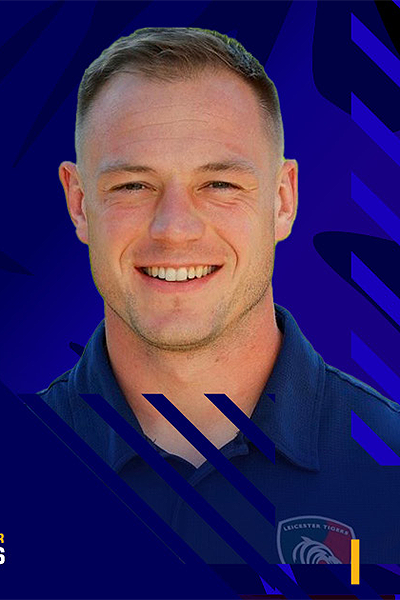
| TOM HANDY | ||
When Worcester Warriors announced the appointment of Sam Handy as Head of Rugby Conditioning ahead of their Championship return, the move raised more than a few eyebrows—not out of skepticism, but recognition. |
Handy isn’t a household name yet, but within elite rugby circles, he’s rapidly earning a reputation as one of the sharpest minds in player development and physical performance. Handy’s rise through the ranks hasn’t followed the flashy path of a star fly-half or try-scoring winger. Instead, his journey has been built in the gym, on training pitches, and behind the scenes—where championships are often quietly won. He began making his mark with Scarlets, contributing to the Welsh club’s United Rugby Championship triumph. His work in West Wales caught attention: structured, relentless, and adaptable—traits that quickly drew interest from England’s high-performance setups. That led to a key role at Jersey Reds, where he helped shape a squad that captured the RFU Championship title. |
“Sam helped transform how we approached our week,” one Saints insider said. “It wasn’t just weights and running. It was about layering intensity, resilience, and clarity into everything we did.” Now, Handy is heading to Worcester Warriors, a club rebuilding from the rubble of financial collapse and eyeing a return to rugby’s top table. Appointed in June 2025, he’s tasked with engineering a squad that can not only compete in the Championship but set the physical benchmark for the league. “I’m excited to be part of this opportunity,” Handy said in the club’s announcement. “We have a coaching staff and player group capable of achieving great things. My focus will be to raise our physical capacity to match that ambition.”
|
The Reds weren’t just winning—they were outlasting and outmuscling their opponents, thanks in part to Handy’s deep focus on conditioning and injury resilience.His biggest test came with Northampton Saints, a Premiership powerhouse chasing European and domestic glory. There, Handy stepped into a senior performance role, overseeing multi-phase conditioning programmes. He and his team crafted a regime that had Saints players hitting personal bests in strength, size, and power output. The results? A Premiership final and a Champions Cup semi-final—driven not just by talent, but by superior physicality. Northampton’s ability to carry hard, maintain tempo, and recover rapidly became a hallmark of their game.
|
Worcester’s head coach, Matt Everard, didn’t hold back: “Sam is a winner. He’s been embedded in winning cultures. That’s exactly what we’re building here.” A Quiet Force, A Clear Vision Handy’s arrival isn’t just about sprint drills or lifting charts. It signals a culture shift at Worcester—a move toward modernity, measurement, and relentless preparation. His past speaks volumes: championship banners, podium finishes, players peaking when it matters most. Now, in the heart of England, Sam Handy has a fresh challenge. Not just to condition a team, but to condition a comeback. |
|
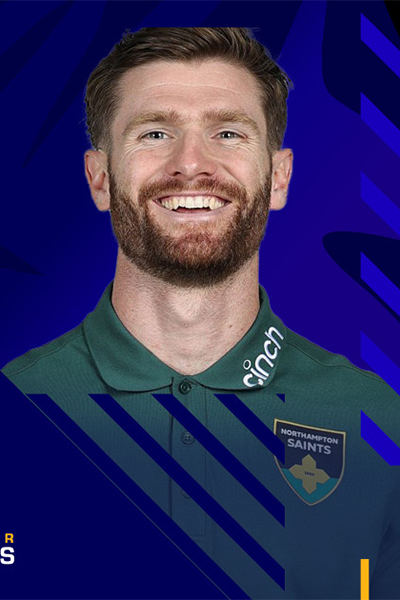
| STEPHEN VAUGHAN | ||
... |
The Executive Leading Worcester Warriors Into a New EraFew figures have played a more important role in Worcester Warriors' remarkable rebirth than Chief Executive Stephen Vaughan. While players and coaches take centre stage on matchdays, Vaughan has been one of the key architects behind the club's return to professional rugby. Tasked with helping rebuild Worcester from the ground up following its collapse in 2022, he has overseen one of the most ambitious recovery projects in modern English rugby. Today, with Warriors back on the field, competing at the top end of the Championship and rebuilding their reputation within the game, Vaughan's influence can be seen throughout the organisation. Early Career in Sports AdministrationStephen Vaughan has built a career spanning more than two decades in professional sport and business leadership. Unlike many rugby executives who entered administration after playing careers, Vaughan developed his expertise in commercial operations, organisational leadership and strategic management. Over the years he gained extensive experience in professional sport, tourism and major event management, developing a reputation for driving commercial growth and organisational transformation. These skills would later become invaluable as he took on leadership roles across some of Britain's most recognisable sporting institutions. |
Rugby League Success with Bradford BullsOne of Vaughan's most prominent early executive roles came with Bradford Bulls. At the time, the Bulls were among rugby league's biggest clubs and one of the sport's most recognisable brands. Working within a highly competitive sporting environment, Vaughan gained significant experience in managing professional sports organisations, commercial partnerships and supporter engagement. The role further established his credentials as a sports administrator capable of operating at the highest level. Leadership at Gloucester RugbyVaughan later moved into rugby union, joining Gloucester Rugby in a senior executive capacity. Working within one of England's most historic clubs provided him with valuable experience of Premiership Rugby and the unique demands of elite professional rugby union. During his time at Kingsholm, he was involved in commercial growth, operational management and strategic planning within a highly competitive sporting landscape. The experience helped shape his understanding of what successful professional rugby clubs require both on and off the field. Perhaps Vaughan's most high-profile role before Worcester came as Group Chief Executive of Wasps.
|
The Wasps ChallengeWasps remained one of English rugby's biggest brands and Vaughan was heavily involved in the club's operations during a challenging period in its history. Managing a large-scale sporting organisation that incorporated both rugby and stadium operations provided significant experience in governance, infrastructure and long-term planning. While the wider financial challenges facing English rugby created difficulties across the professional game, Vaughan's time at Wasps reinforced his reputation as an experienced sports executive capable of managing complex organisations and large-scale projects. Arriving at Worcester WarriorsIn September 2023, a new chapter began when Christopher Holland's Loxwood Holdings took control of Worcester Warriors and Vaughan was appointed Chief Executive. The challenge facing him was unlike anything he had previously encountered. The club had ceased operations, professional rugby had disappeared from Sixways, and supporters were still dealing with the emotional fallout of the 2022 collapse. Where many saw an impossible task, Vaughan saw an opportunity. Working alongside owner Chris Holland and a growing leadership team, he began the process of rebuilding Worcester Warriors from scratch. There were no players, no coaching staff and no competitive fixtures on the horizon. The task was to create an entirely new rugby operation while restoring confidence among supporters, sponsors and the wider rugby community |
Rebuilding a Rugby Club The scale of Worcester's revival cannot be overstated. Within a relatively short period, Vaughan helped oversee the recruitment of a coaching team led by Matt Everard, the assembly of an entirely new playing squad and the club's successful application to return to professional rugby. From a blank sheet of paper, Warriors rebuilt a functioning professional rugby club capable of competing immediately. The club's return attracted thousands of supporters back to Sixways and reignited enthusiasm throughout the city and county. Vaughan consistently emphasised that the goal was not simply to recreate the old Warriors, but to build a sustainable organisation capable of long-term success. A Championship Success StoryWorcester's first season back exceeded many expectations. Under Vaughan's leadership off the field and Matt Everard's leadership on it, the Warriors quickly became one of the Championship's most compelling stories. A newly assembled squad developed rapidly and established itself among the division's leading teams. What began as a rebuilding project soon evolved into a genuine success story, culminating in a remarkable play-off campaign and Championship title success. For Vaughan, the achievement represented far more than silverware. It was proof that Worcester Warriors could once again become a thriving rugby club and a source of pride for the local community. |
Vision for the FutureThroughout Worcester's revival, Vaughan has repeatedly spoken about creating a sustainable future rather than chasing short-term gains. His focus has been on building strong foundations, developing community engagement, investing in infrastructure and ensuring that rugby remains at the heart of Sixways for generations to come. That vision extends beyond results on the field. It includes strengthening the academy pathway, attracting investment, growing supporter numbers and restoring Worcester's place within the wider rugby landscape. The Man Behind the RevivalWhile players score tries and coaches prepare game plans, successful clubs require strong leadership behind the scenes. Stephen Vaughan's career has taken him through rugby league, Premiership rugby, major sporting organisations and some of the most challenging environments in professional sport. Each experience has contributed to the leadership qualities now helping shape Worcester Warriors' future. The rebirth of Worcester Warriors will always be remembered as a collective achievement involving players, coaches, staff, supporters and owners. Yet among those figures, Vaughan's contribution stands out as one of the most significant. For Worcester Warriors, his legacy is already clear: helping transform a club that had disappeared from professional rugby into one that once again has ambition, belief and a future. As the Warriors continue their journey, Stephen Vaughan remains at the centre of one of English rugby's most remarkable comeback stories. |

| CHRIS HOLLAND | ||
The Security Expert Reshaping English Rugby’s Future
In the wake of financial turmoil and administration crises that left two storied English rugby clubs on the brink, one man quietly emerged as the unlikely custodian of their legacies: Christopher “Chris” Holland. With a background steeped in national security, corporate risk management, and retail giant boardrooms, Holland is now navigating the turbulent waters of English rugby with a blend of strategic acumen and cautious pragmatism. From the Ministry of Defence to Rugby’s Frontlines |
Before Holland became synonymous with Wasps and Worcester Warriors, his career spanned over 30 years in law enforcement, security, and risk management—primarily within the Ministry of Defence (MOD) and major UK corporations. His senior and board-level roles at the MOD gave him a front-row seat to the nation’s high-stakes security operations, while his subsequent leadership positions at retail giants like Marks & Spencer, Sainsbury’s, and B&Q honed his expertise in profit protection, business continuity, and disaster recovery. In the wake of financial turmoil and administration crises that left two storied English rugby clubs on the brink, one man quietly emerged as the unlikely custodian of their legacies: Christopher “Chris” Holland. With a background steeped in national security, corporate risk management, and retail giant boardrooms, This deep well of experience made him a natural fit for overseeing the security and operational resilience of the Ricoh Arena, home of Wasps RFC, where he initially joined as a non-executive director. |
Securing ownership of the clubs was only the first step. Holland has since worked closely with the Rugby Football Union (RFU) to shepherd both Wasps and Worcester back into competitive rugby. Wasps were initially approved to join the Championship (England’s second tier) for the 2023–24 season but later faced relegation to much lower tiers due to missed administrative deadlines and unresolved financial issues. Worcester Warriors, meanwhile, were granted conditional entry into the newly formed Tier 2 Championship for the 2025–26 season, provided they clear significant debts by the end of 2025. Holland’s strategy blends financial discipline with regulatory compliance, emphasizing long-term sustainability over quick fixes. His approach involves meticulous creditor negotiations, stadium lease agreements, and rebuilding fan trust—a delicate balancing act under intense scrutiny. |
His knowledge of venue safety and IT infrastructure security proved critical in a sports landscape increasingly reliant on digital platforms and complex logistics. When Wasps entered administration in late 2022, Holland’s firm, HALO22 Ltd—operating under the umbrella of Loxwood Holdings—purchased the club’s intellectual property, branding, and memorabilia for a mere £35,000. This acquisition, while modest in financial terms, gave Holland control of one of English rugby’s most iconic brands. However, it came with controversy: many fans and creditors criticized the low purchase price against the backdrop of millions owed in unpaid debts Not stopping there, Holland expanded his rugby portfolio in 2023 by securing a 97% ownership stake in Worcester Warriors through Loxwood Holdings after the club’s previous owners defaulted on a loan. Alongside this, his firm acquired a five-year lease option on Worcester’s Sixways Stadium, ensuring the club’s physical home remained under his control even as financial uncertainty loomed. |
What sets Holland apart in the world of rugby ownership is his unusual background. Few club owners come with a resume featuring national security, risk management at FTSE 100 retailers, and high-level business continuity expertise. These skills inform his governance style: cautious, data-driven, and oriented toward structural resilience. Though his low-cost acquisitions sparked debate among fans and pundits, Holland’s intent seems clear—revive two of English rugby’s historic clubs from the brink, ensuring their survival through disciplined management and strategic investment. As Worcester Warriors prepare for their potential Championship return, and Wasps explore avenues to re-enter competitive rugby—possibly through the United Rugby Championship or the English league system—the spotlight remains on Holland’s stewardship. The coming months will test his ability to settle debts, secure stadium deals, and restore credibility with supporters and governing bodies alike. In a game increasingly defined by financial clout and commercial power, Christopher Holland’s journey from defence expert to rugby’s guardian reflects a new kind of ownership—one rooted in security, strategy, and survival. |
|