|
||||||||||||||
| Chpt 1 | Chpt 2 | Chpt 3 | Chpt 4 | Chpt 5 | Chpt 6 | Chpt 7 | Chpt 8 | Chpt 9 | Chpt 10 | Chpt 11 | Chpt 12 | |||
|
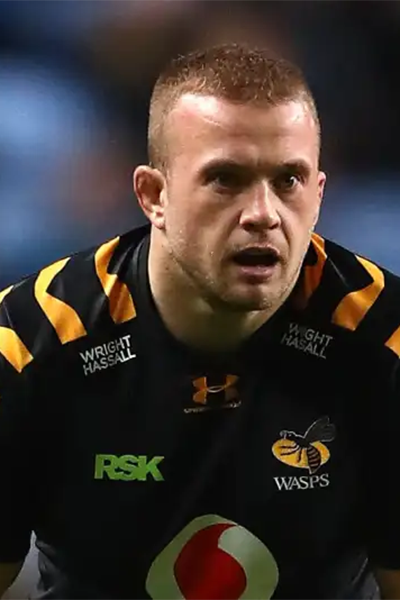
HOME AGAIN: THE WORCESTER WARRIORS REBUILD Episode 2 – Building The Club From Nothing A rare silence follows something extraordinary. Not the silence of emptiness, but the hush that settles after a moment so significant it takes time to grasp. After that opening night at Sixways—after Coventry, the roar of the crowd rolling around the stands, and the sight of supporters and players sharing tears, embraces and applause long after the final whistle—we thought we understood what Worcester Warriors’ return meant. In reality, we had only seen the start. What followed was not a victory lap or a nostalgic reunion. It was the far harder, more meaningful task of rebuilding a rugby club from the ground up.
A Club That Had to Be Built TwicePeople often say The Club is “back,” as if the journey were straightforward. It was anything but. What returned to Sixways was not the old organisation. It was a chance to start again. Years of uncertainty, absence and collapse had done more than remove fixtures—they had stripped away the structures, relationships and routines that keep a professional rugby club running, from established coaching systems to the everyday rhythms players rely on.
Everything had to be rebuilt. Early training sessions felt less like routine and more like exploration. Each gathering revealed something new about the group taking shape. Partnerships formed, personalities emerged, and players learned not just how teammates played, but how they handled pressure, setbacks and success. The smallest details often revealed the most. A player staying behind to repeat a drill after a mistake, a senior voice calming frustration during a tough session, or a teammate offering encouragement after a missed opportunity all signalled the culture emerging. This was about far more than coaching rugby. It was about building an environment, an identity and a shared purpose that could sustain the club for years to come.
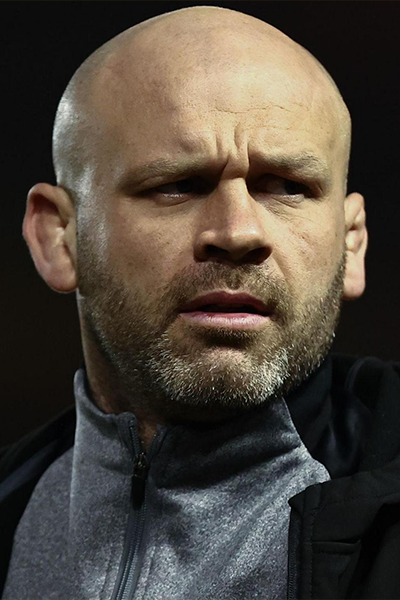
Matt Everard and the Shape of Something NewAt the heart of that process was head coach Matt Everard, whose influence shaped every part of the rebuild. He led not through grand statements or dramatic gestures, but through consistency and clarity. From day one, players knew exactly what was expected: work relentlessly, stay connected and represent The Club with pride. Those principles sounded simple, but their power came from daily reinforcement. Training sessions had clear purpose. Even on cold mornings when breath hung in the air above the pitches, every drill carried intent. When performances fell short—as they inevitably did in a new project—learning remained structured. Mistakes were not failures; they were chances to improve. Supporters could see the change. Week by week, the group looked less like a collection of individuals and more like a team built on genuine trust. The foundations were taking shape.
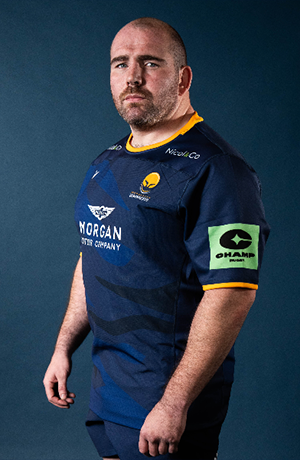
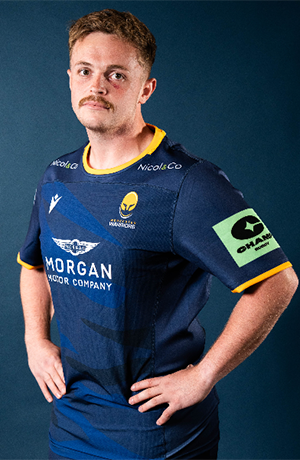
The Dressing Room That Didn’t Exist YetOne of the toughest parts of rebuilding a club is creating a dressing-room culture from scratch. Unity does not appear overnight. It cannot be manufactured through speeches or assumed because players wear the same badge. It grows through shared experiences, difficult conversations and earned respect. The Worcester squad brought together players from varied backgrounds. Some arrived with top-level experience, others sought a chance to prove themselves, and many were simply grateful to continue their professional careers. That diversity became a strength, but only after relationships were built. Trust had to be earned. Playing time had to be won. Leadership emerged through actions, not titles. As the weeks passed, the atmosphere shifted. Conversations became easier. Laughter echoed more often through the dressing room. Roles clarified. Connections deepened. Gradually, the dressing room stopped feeling like a collection of individual ambitions and became a team united by a common goal.
Sixways During the WeekMatchdays drew the headlines, but the true heartbeat of The Club often pulsed through the quieter days between fixtures. There was something special about Sixways during the training week. Without crowds, the stadium never felt empty. Instead, it carried a sense of anticipation, as though it understood the significance of what was unfolding inside. Players and staff worked each day beneath the gaze of a ground that had witnessed both glory and uncertainty. Even when supporters were absent, their presence remained unmistakable. Handwritten messages, conversations with volunteers, and reminders of past seasons around the stadium reinforced why the work mattered. The bond forged on opening night did not fade with the final whistle. It continued to shape the club. Everyone knew they were building something not just for themselves, but for a community that had waited patiently for its rugby club to return. That connection was alive again.
Learning How to Win AgainRebuilding belief is one of sport’s hardest challenges. Fitness can improve. Systems can evolve. Skills can be coached. Belief takes longer. Early in the season, matches slipped away not through lack of effort, but because the group was still learning to perform together under pressure. A pass arrived a fraction too late, defensive communication broke down at a crucial moment, or a promising attack ended with the wrong decision. Key moments exposed gaps only experience could close. But this team responded differently. Setbacks did not divide them. They strengthened them. Defeats sparked honest reflection. Training sharpened. Standards rose. Players challenged themselves and each other because they understood the goal. As those habits took hold, performances improved. The progress was not dramatic, but it was undeniable. Results began to reflect the work behind the scenes.
The First Signs of What Was ComingAs the season unfolded, supporters began to recognise the identity emerging within the team. It was not defined by perfection or dominance. It was defined by qualities that appeared often enough to signal something lasting. The defence grew more connected, with players scrambling for one another when gaps appeared. Physicality endured deep into matches, even as legs tired and collisions accumulated. The team refused to let games drift away, even in difficult situations.
Opponents noticed too. Worcester were no longer simply the new side finding their feet. They were becoming a team capable of making life uncomfortable for anyone. In a demanding league, that matters. Being hard to beat is often the first step toward becoming dangerous.
The Quiet Truth of RebuildingOne of the biggest lessons from that period is that rebuilding rarely feels dramatic while it happens. The work is repetitive. Progress often seems slow. Improvements arrive in small increments that rarely show up on a scoreboard. Yet lasting success is built in those ordinary days. The defining moments of The Club’s revival were not confined to opening night. They lived in training sessions, recovery days, team meetings and countless conversations away from public view. They appeared in the extra repetitions after practice, in honest discussions around video analysis screens, and in the determination to stay united when it would have been easier to drift apart. Those moments shaped the future.
And Still, Sixways WaitedAs the season found its rhythm, a powerful sense remained that the story had only begun. Sixways had become more than a stadium. It stood as a symbol of possibility and a reminder of everything supporters had fought to preserve. Everyone connected to The Club understood what the ground represented on that unforgettable first night back—the floodlights glowing against the evening sky, the noise reverberating around the stands, and the emotion that swept through the crowd. The question now was what it could become as the rebuild gathered pace.
Because restoring a rugby club is one challenge. Restoring belief across an entire supporter base is another. The encouraging truth was that both journeys were already underway. And we were only just getting started.
|
|